


This Valentine’s day, Understand PCOS!
Published On : Feb 11, 2026
It’s February again and Valentine’s Day usually arrives wrapped in predictable symbols like flowers, chocolates, dinner reservations, and the promise of “something special.” But if you ask many women what they’d genuinely want from the men in their lives, the answer is often simpler (and far more meaningful): understanding.
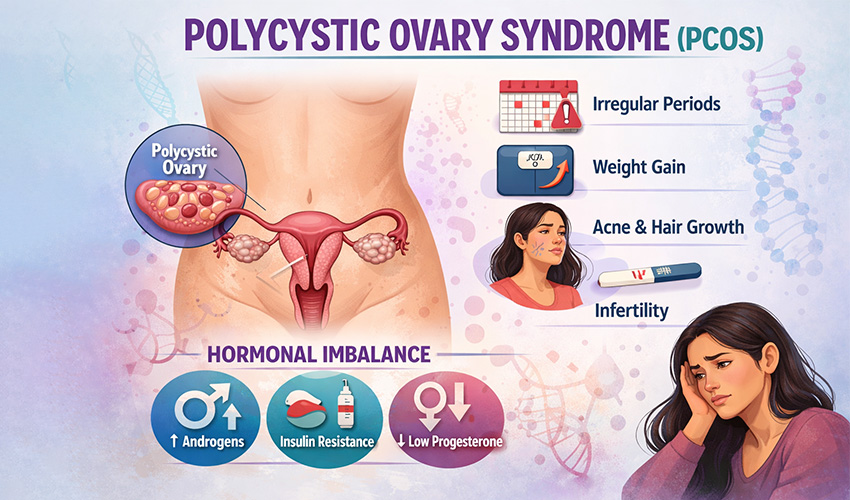
Because for millions of women, there’s an invisible health story running in the background. Irregular periods that get dismissed as “normal,” stubborn acne that refuses to settle, hair growth in places it shouldn’t, unexplained weight changes, and the quiet worry of “Will I be able to conceive when I’m ready?”. For many, that story has a name: PCOS. Polycystic Ovary Syndrome (PCOS) is one of the most common hormonal conditions affecting women of reproductive age. In India, research suggests that roughly about 1 in 10 women may meet diagnostic criteria though the exact number varies across regions and how PCOS is defined. (PMC) Yet despite being common, PCOS is still widely misunderstood and often reduced to “a period problem” or “a weight issue,” when it’s actually a broader hormonal and metabolic condition. So if you’re looking for a Valentine’s gift that lasts longer than a bouquet, learn what PCOS is, what it looks like, and how support actually helps.
What Is Polycystic Ovary Syndrome (PCOS)?
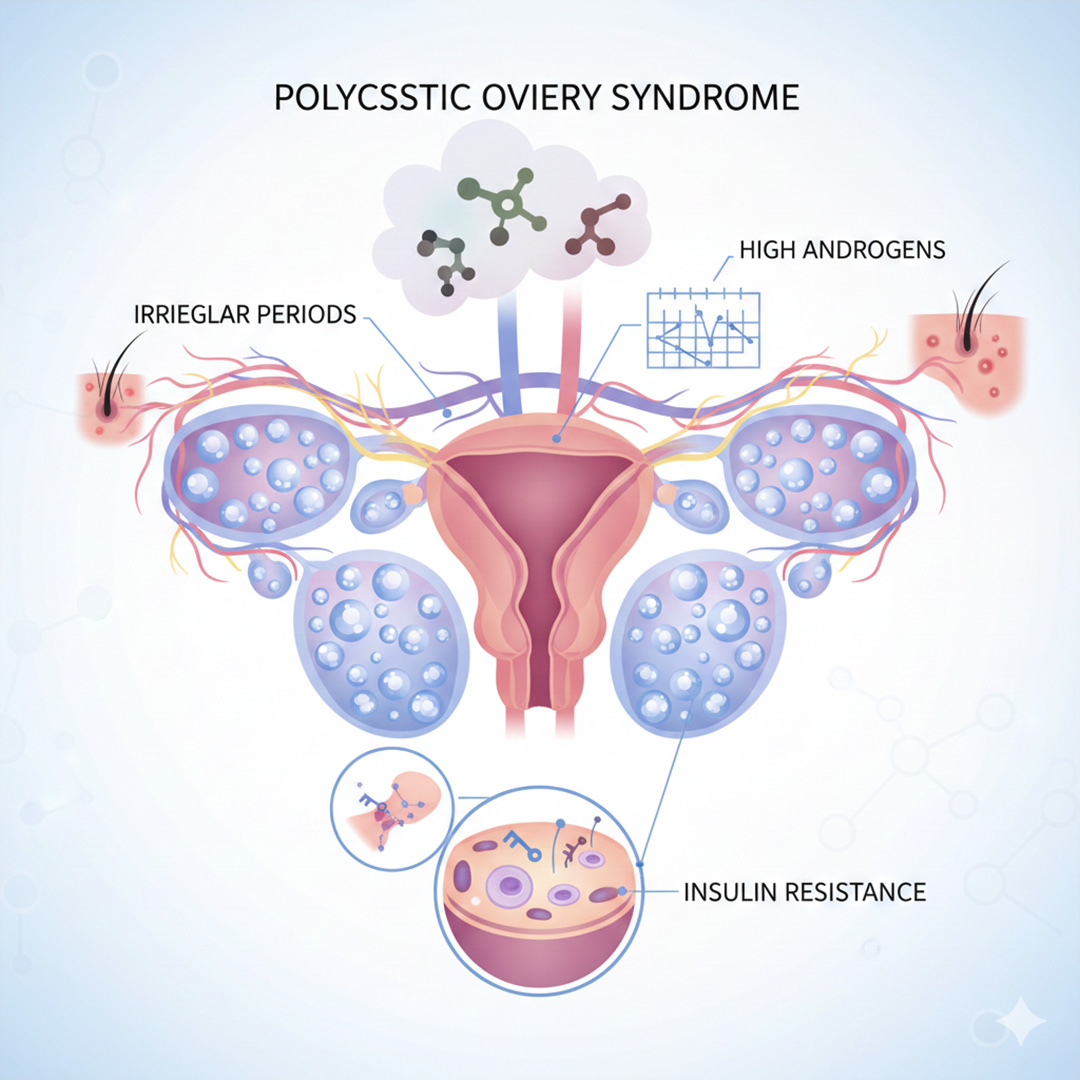
Polycystic Ovary Syndrome (PCOS) is a common hormonal condition that affects women of reproductive age. Despite its name, PCOS is not just an ovarian problem. It is a broader endocrine and metabolic condition that can affect menstrual cycles, skin and hair health, fertility, and long-term metabolic wellbeing.
PCOS is typically characterised by a combination of:
- Irregular or absent ovulation, leading to irregular menstrual cycles
- Higher-than-normal levels of androgens (male hormones), which may cause acne, excess facial or body hair, or scalp hair thinning
- Polycystic ovarian morphology, where the ovaries contain multiple small follicles visible on ultrasound
A diagnosis does not require all three features to be present. Most clinical guidelines use established diagnostic criteria that recognise PCOS as a spectrum condition, meaning symptoms and severity vary widely from person to person.
PCOS vs PCOD: Clearing the Confusion
Many women, especially in India are told they have PCOD rather than PCOS, which often leads to confusion.
- PCOS (Polycystic Ovary Syndrome) is the medically recognised term used in international guidelines and research.
- PCOD (Polycystic Ovarian Disease) is a term commonly used in clinical conversations and online health content, particularly in India. It is often used to describe a milder or earlier presentation of the same condition.
In practice, PCOD and PCOS are frequently used interchangeably. However, for medical accuracy and clarity, PCOS is the preferred and correct term.
What are the Causes and Risk Factors of PCOS
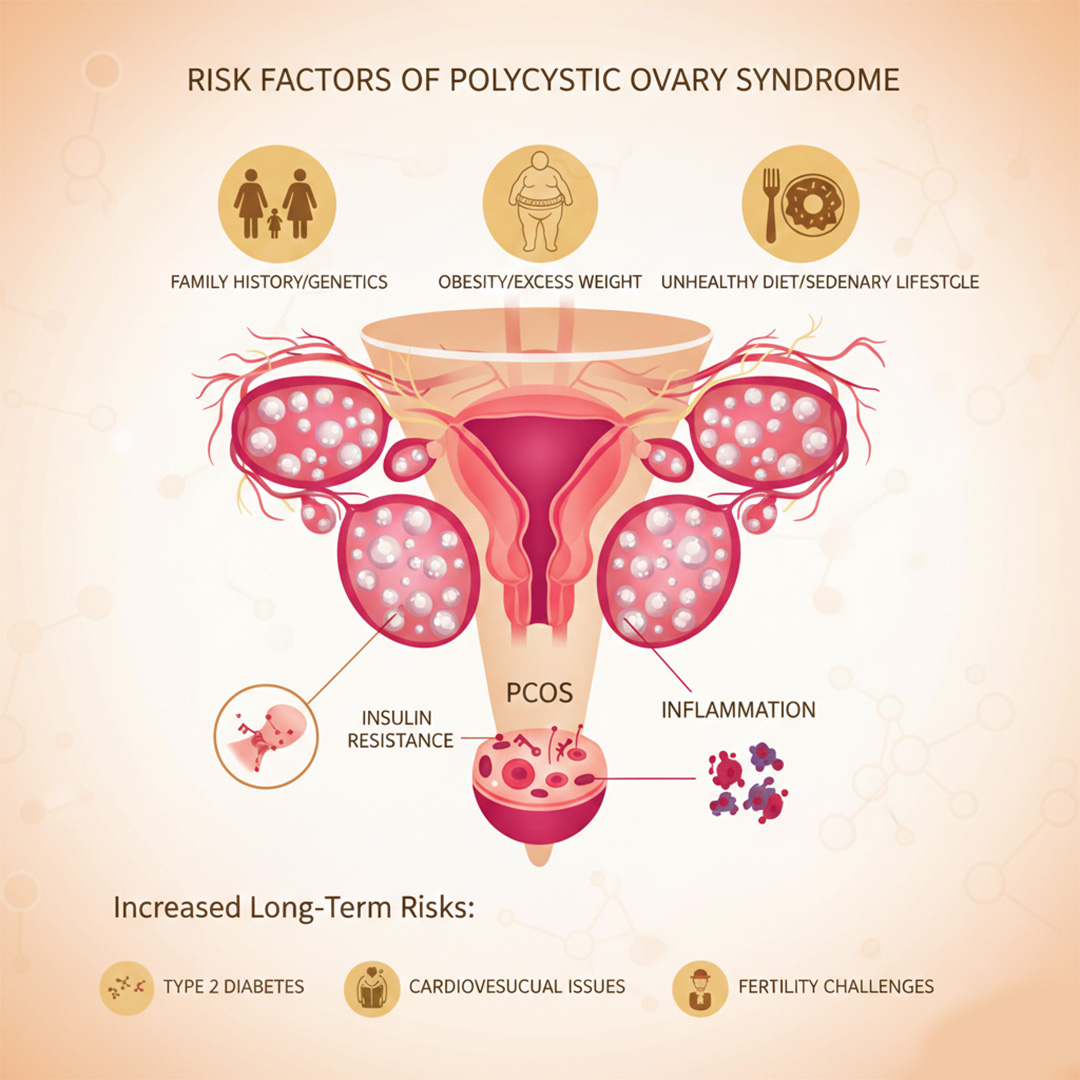
PCOS does not have a single cause. Instead, it develops due to a complex interaction of genetic, hormonal, and lifestyle factors.
Key contributing factors include:
- Hormonal imbalance: Increased androgen levels interfere with normal ovulation and menstrual regulation.
- Insulin resistance: Many women with PCOS have reduced sensitivity to insulin, leading to higher insulin levels, which can worsen hormonal imbalance.
- Genetic predisposition: PCOS often runs in families, suggesting a hereditary component.
- Lifestyle factors: Sedentary habits, poor sleep, and chronic stress can aggravate symptoms, though they are not the sole cause.
It’s important to note that PCOS can occur in women of all body types. While weight gain may worsen symptoms in some individuals, many women with PCOS are lean, and their condition is often overlooked or misattributed.
What Are the Symptoms of PCOS?
PCOS presents differently in different individuals, but symptoms often cluster into a few key areas.
Menstrual and Ovulatory Symptoms
- Irregular or infrequent periods
- Missed periods
- Difficulty with ovulation
Androgen-Related Symptoms
- Persistent acne beyond adolescence
- Excess facial or body hair (hirsutism)
- Thinning of scalp hair or hair loss
Metabolic and General Symptoms
- Weight gain or difficulty losing weight
- Fatigue
- Darkened skin patches in body folds (in some individuals)
Emotional and Quality-of-Life Impact
- Mood changes
- Body image concerns
- Anxiety related to fertility or long-term health
Not all women experience all symptoms, which is why PCOS is often underdiagnosed or diagnosed late.
How Is PCOS Treated?
PCOS is a long-term condition, but it is highly manageable. Treatment is not about a single pill or protocol. It is about aligning care with a woman’s symptoms, goals, and life stage.
Lifestyle support is the foundation of PCOS management
Across international clinical guidelines, lifestyle modification is considered first-line management for PCOS, regardless of whether medications are used later.
This is because lifestyle factors directly influence:
- Insulin resistance
- Hormonal balance
- Ovulation
- Inflammation and metabolic health
Supportive lifestyle measures include:
- Balanced nutrition focused on adequate protein, fibre, and reduced refined carbohydrates
- Regular physical activity, including walking and strength training
- Consistent sleep and stress management, which significantly affect hormonal regulation
Even modest, sustainable improvements, especially where weight is a contributing factor, can lead to:
- More regular menstrual cycles
- Improved ovulation
- Reduced androgen-related symptoms
- Better long-term metabolic outcomes
Importantly, PCOS can occur in lean women as well, so lifestyle support is not about weight alone, but about metabolic and hormonal health.
When are medications added to PCOS management?
Medications are introduced based on specific goals, particularly when lifestyle measures alone are insufficient or when symptoms require targeted treatment.
For cycle regulation and androgen-related symptoms
When irregular periods, acne, or excess hair growth are significant concerns, doctors may prescribe hormonal therapies (Diane-35, Krimson -35, Elestra, Carpela, My Pill) to help regulate menstrual cycles and reduce androgen effects.
Please note that the recommendations given in brackets are only for Medical Professionals. These medications are prescription-only and must be selected by a specialist Doctor after assessing individual risk factors. They are effective for symptom control but are typically used alongside lifestyle measures and not as a standalone solution.
For fertility support
If pregnancy is a current goal and ovulation is irregular, treatment focuses on ovulation induction under medical supervision.
One commonly prescribed option in selected cases is:
Ovulation-induction therapy is tailored individually, and treatment choice depends on clinical assessment and response.
A balanced approach works best
For most women with PCOS, the best outcomes come from combining consistent lifestyle support with goal-directed medical treatment. This approach addresses both symptoms and the underlying metabolic drivers of the condition.
What Are the Supplements for Managing PCOS?
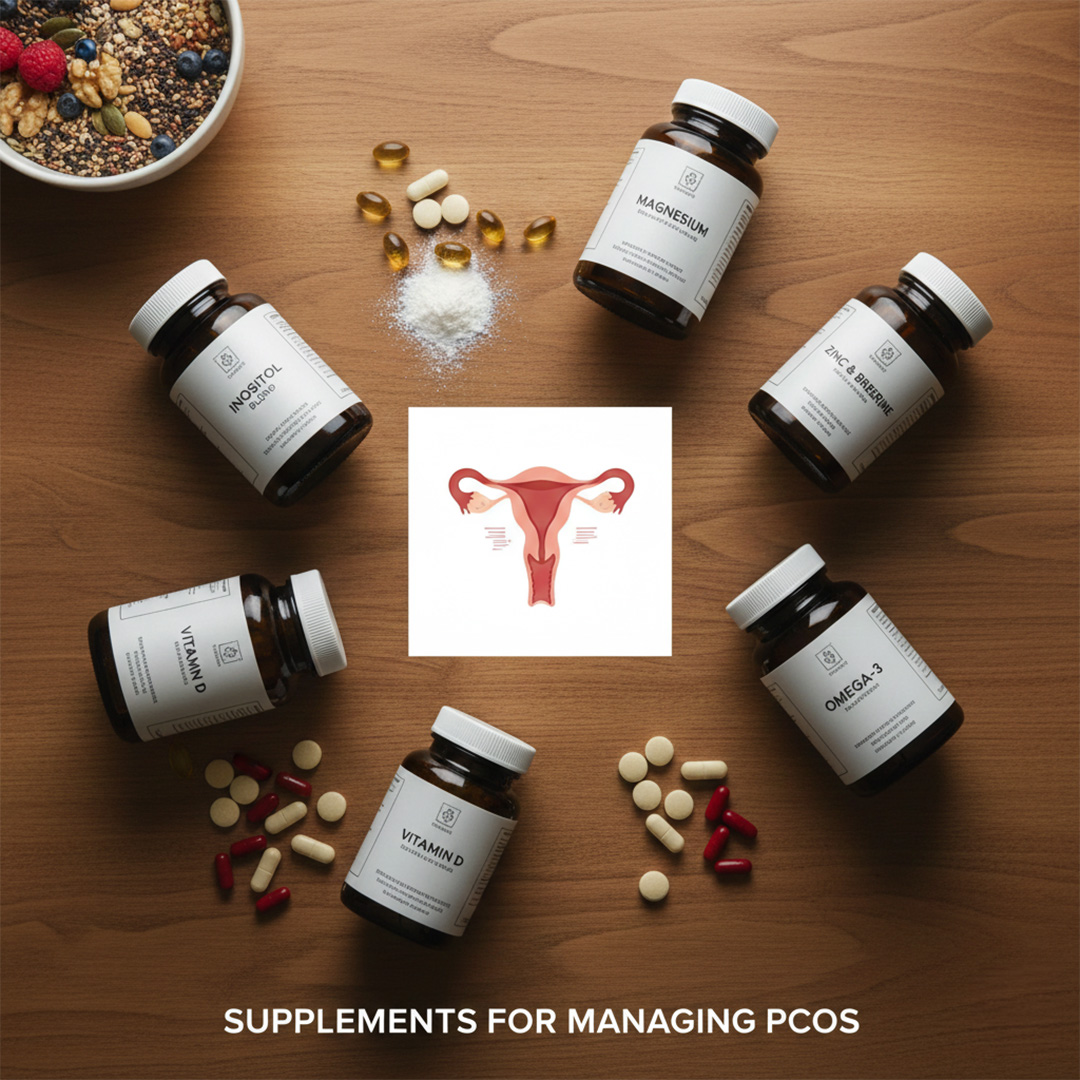
Supplements do not replace medical treatment, but they may offer supportive benefits for some women when used appropriately.
Commonly discussed options include:
- Inositol (myo-inositol and D-chiro inositol) – often explored for insulin sensitivity and cycle regularity
- Vitamin D – particularly in women with documented deficiency
- Omega-3 fatty acids – for metabolic and inflammatory support
- N-acetylcysteine (NAC) – sometimes used as an adjunct
Evidence varies, and supplements should be chosen in consultation with a healthcare professional, especially if hormonal medications are being used or pregnancy is planned.
PCOS is common, complex, and often misunderstood. However, it is also manageable with the right support. Awareness, timely medical guidance, and compassionate understanding make a real difference in outcomes and quality of life.
This Valentine’s Day, the most meaningful gesture may not be a gift or a grand plan, but something quieter: learning, listening, and standing alongside women as they navigate a condition that deserves far more understanding than it often receives.
Author Details
 Written By - Dr Afzal Jaleel (BDS)
 Reviewed By - Dr Navami S M (BDS, Product Specialist)
2 Comments
Thara Martin
Feb 17, 2026
Athira SM
Feb 17, 2026