


Malaria: Symptoms, Treatment, Prevention & Recovery Guide 2026
Published On : Jun 17, 2026
What Is Malaria?
Malaria is a potentially serious mosquito borne disease caused by parasites of the Plasmodium species. The infection spreads to humans through the bite of an infected female Anopheles mosquito. Once inside the body, the parasites initially multiply in the liver before infecting red blood cells, leading to symptoms such as fever, chills, headache, fatigue, and body aches. Although malaria is both preventable and treatable, it continues to pose a public health challenge in many tropical and subtropical regions, including parts of India. Early diagnosis and timely treatment are essential to prevent severe complications.
Understanding Malaria Parasites: Why the Type of Infection Matters
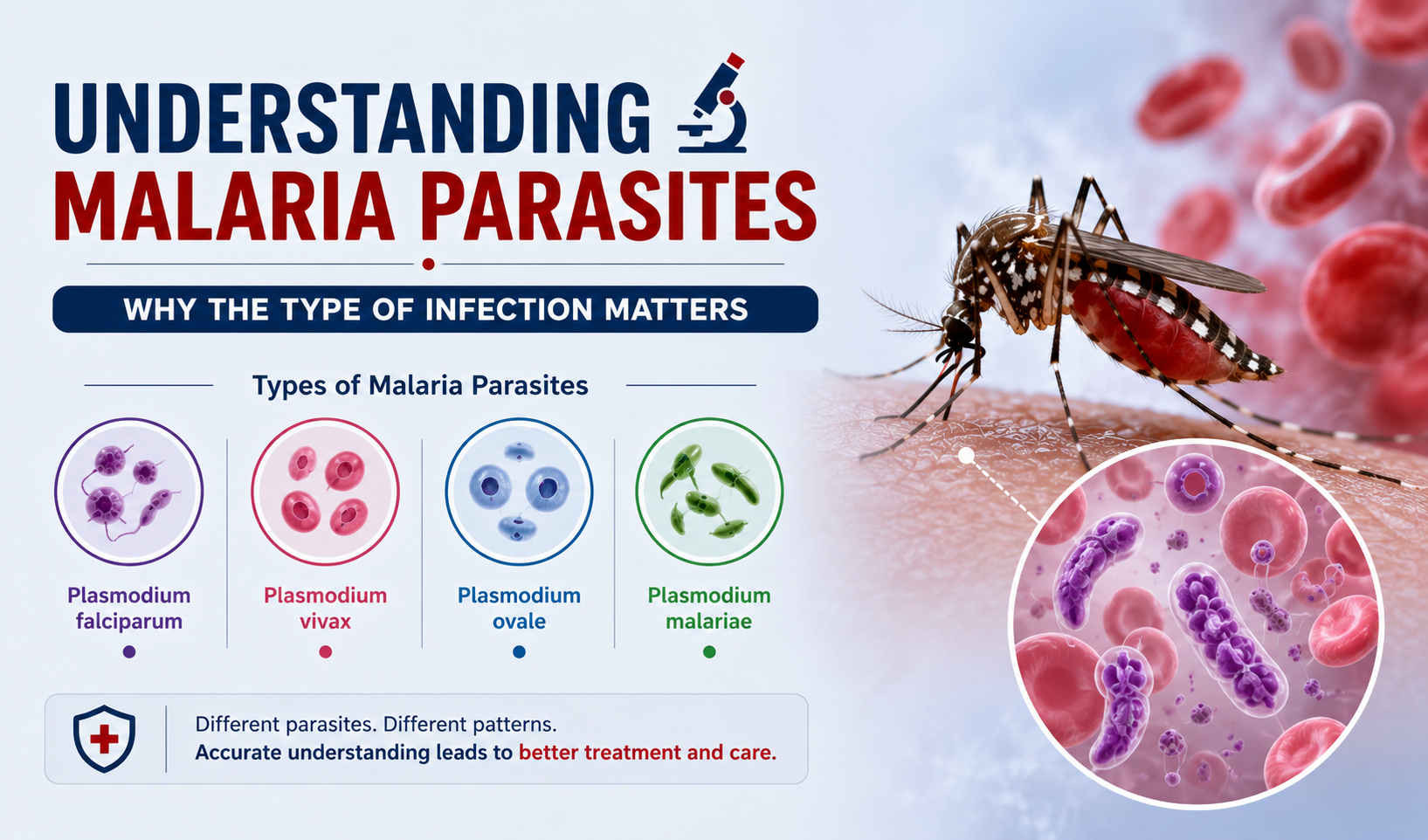
Not all malaria infections are the same. The severity of symptoms, risk of complications, likelihood of recurrence, and treatment approach can vary depending on the parasite responsible for the infection.
Common Malaria Parasites Found in India
- Plasmodium falciparum : The most dangerous malaria parasite. It can rapidly lead to severe malaria, affecting the brain, kidneys, lungs, and other organs if left untreated.
- Plasmodium vivax : One of the most common malaria parasites in India. It is generally less severe than P. falciparum but can remain dormant in the liver and cause relapses months after the initial infection.
- Plasmodium malariae : Less common but capable of causing long-lasting infections if not diagnosed and treated properly.
- Plasmodium ovale : Rare in India but may cause recurring infections due to dormant liver stages.
- Plasmodium knowlesi : Primarily found in Southeast Asia and only occasionally reported in humans.
Why Malaria Cases Rise During Monsoon in India in 2026
India's monsoon season creates ideal conditions for mosquito breeding and contributes to the spread of several monsoon diseases. Increased rainfall, waterlogging, overflowing drains, construction site puddles, and stagnant water in residential areas provide breeding grounds for mosquitoes. Warm temperatures combined with high humidity improve mosquito survival and increase the risk of diseases such as malaria, dengue, and chikungunya. Rapid urbanisation, inadequate drainage systems, and growing population density in certain areas can further contribute to seasonal outbreaks. As a result, malaria cases often increase during and shortly after the monsoon months, making preventive measures, timely diagnosis, and mosquito control especially important during this period.
How Malaria Spreads During Monsoon: Understanding the Transmission Cycle
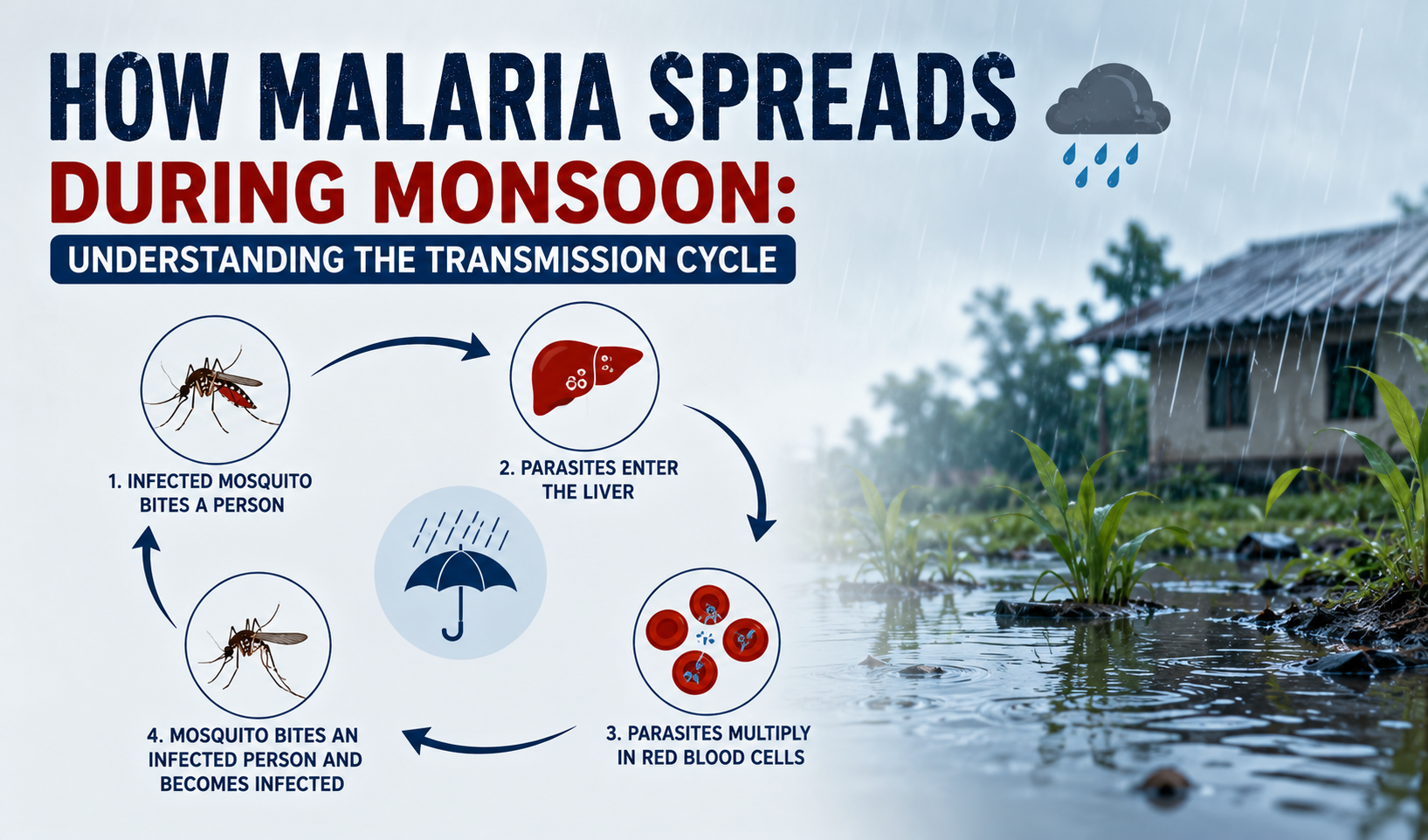
Malaria spreads when an infected female Anopheles mosquito bites a person and injects malaria parasites into the bloodstream. The parasites travel to the liver, where they multiply before entering red blood cells. Once red blood cells become infected, the parasites continue reproducing, eventually causing the characteristic symptoms of malaria. Monsoon conditions accelerate mosquito breeding, increasing the likelihood of mosquito human contact and disease transmission.
Who Is at Higher Risk? Children, Pregnant Women, and the Elderly
Children
Young children are more vulnerable because their immune systems are still developing. Malaria can progress rapidly and may lead to severe anemia or other complications.
Pregnant Women
Pregnancy can increase susceptibility to malaria and may raise the risk of maternal anemia, miscarriage, premature delivery, and low birth weight.
Elderly Individuals
Older adults may have weaker immune responses and are often more likely to have underlying medical conditions, increasing the risk of severe illness.
Malaria Symptoms: Recognizing the Pattern Early
Common symptoms include:
- Fever
- Chills and shivering
- Sweating
- Headache
- Muscle pain
- Fatigue
- Nausea
- Vomiting
- Loss of appetite
Unlike many viral infections, malaria often causes fever episodes that occur in cycles, accompanied by chills and profuse sweating.
Warning Signs That Need Immediate Medical Attention
Seek urgent medical care if malaria symptoms are accompanied by:
- Difficulty breathing
- Persistent vomiting
- Confusion or altered mental status
- Seizures
- Extreme weakness
- Yellowing of the skin or eyes
- Reduced urine output
- Loss of consciousness
These may indicate severe malaria and require immediate treatment.
When Should You See a Doctor for Malaria Symptoms?
Many people assume that fever during the monsoon season is simply a common viral infection and choose to rest at home. However, delaying medical evaluation can be risky because malaria symptoms often resemble those of dengue, viral fever, typhoid, and other seasonal illnesses.
You should consult a doctor if you experience:
- Fever lasting more than 24–48 hours
- Repeated episodes of chills and shivering
- High fever that returns after temporarily improving
- Severe headache and body aches
- Excessive sweating following fever episodes
- Persistent nausea or vomiting
- Extreme fatigue or weakness
- Fever after visiting a malaria-prone area
Seek Immediate Medical Attention If You Experience:
- Difficulty breathing
- Confusion or altered mental status
- Seizures
- Loss of consciousness
- Persistent vomiting
- Severe dehydration
- Yellowing of the eyes or skin (jaundice)
- Reduced urine output
- Inability to eat or drink properly
Why Early Testing Matters During Monsoon
Monsoon season is associated with multiple infectious diseases, including malaria, dengue, leptospirosis, and viral fevers. Since these conditions often share similar early symptoms, laboratory testing is the only reliable way to determine the cause of illness and begin appropriate treatment.
Early diagnosis can:
- Reduce the risk of complications
- Improve treatment outcomes
- Shorten recovery time
- Prevent severe malaria from developing
Why Malaria Can Affect Blood Cells
One of the most important features of malaria is its impact on blood cells. Unlike many viral illnesses, malaria parasites invade and multiply inside red blood cells. As infected cells rupture, more parasites are released into the bloodstream, leading to fever and other symptoms. This process can affect the body's ability to transport oxygen and may contribute to complications such as anemia and low platelet counts in some patients.
What Happens to Red Blood Cells?
After entering the bloodstream, malaria parasites infect red blood cells and use them to grow and reproduce. When the parasites mature, the infected cells burst and release new parasites that infect additional red blood cells.
This cycle can repeat continuously, leading to:
- Destruction of red blood cells
- Reduced oxygen delivery to tissues
- Fatigue and weakness
- Increased workload on the body's organs
Why Anemia May Develop
Anemia occurs when the body does not have enough healthy red blood cells to carry adequate oxygen.
Malaria related anemia can develop because:
- Infected red blood cells are destroyed
- Some healthy red blood cells may also be removed by the immune system
- Bone marrow may temporarily reduce production of new blood cells
Common symptoms of anemia include:
- Fatigue
- Dizziness
- Pale skin
- Shortness of breath
- Reduced exercise tolerance
Children and pregnant women are particularly vulnerable to malaria-associated anemia.
The periodic destruction of red blood cells is one reason why malaria often causes recurring fever episodes.
Why Platelet Counts Can Decrease
Platelets help the body form blood clots and prevent excessive bleeding.
Some malaria patients experience thrombocytopenia (low platelet count), although platelet reductions are generally less dramatic than those seen in many dengue cases.
Researchers believe platelet counts may decrease due to:
- Increased destruction of platelets
- Immune system activity
- Temporary changes in platelet distribution within the body
A low platelet count alone does not confirm malaria, but it may be seen alongside other laboratory abnormalities.
Malaria Platelet Count Reference Chart
|
Platelet Count (per µL) |
Interpretation |
|
150,000 – 450,000 |
Normal range |
|
100,000 – 149,999 |
Mild reduction |
|
50,000 – 99,999 |
Moderate reduction |
|
Below 50,000 |
Significant reduction requiring medical evaluation |
|
Below 20,000 |
High-risk range requiring urgent medical attention |
Important: Platelet count should always be interpreted alongside symptoms, physical examination, and other laboratory findings. A low platelet count can occur in multiple conditions, including malaria, dengue, viral infections, and certain blood disorders.
Malaria Treatment: What Doctors Usually Recommend
Malaria is a treatable disease, but treatment depends on several factors, including:
- Type of malaria parasite
- Severity of illness
- Patient age
- Pregnancy status
- Local treatment guidelines
Doctors typically confirm the diagnosis using laboratory tests before starting treatment.
Treatment may include:
- Antimalarial medications
- Fever management
- Adequate hydration
- Monitoring for complications
Patients with severe malaria may require hospital admission and intensive monitoring.
Early treatment significantly reduces the risk of serious complications.
Why Self Medication Can Be Risky
Many people assume that fever during monsoon season is simply a viral infection and may delay testing or treatment.
Self medication can be risky because:
- Malaria symptoms may resemble viral fever or dengue
- Incorrect medicines may delay proper treatment
- Severe malaria can progress rapidly
- Some medications may mask symptoms without treating the infection
If fever persists for more than a few days, particularly when accompanied by chills or sweating episodes, medical evaluation is important.
Nutrition During Malaria Recovery: An India Specific Diet Guide
Proper nutrition cannot cure malaria, but it can support recovery and help the body regain strength.
Foods to Eat
For Hydration Maintaining fluid balance is important during fever.
Recommended options:
- Water
- ORS solution
- Coconut water
- Lemon water
- Clear soups
- Buttermilk (if tolerated)
- For Energy and Strength
During recovery, easily digestible foods may be better tolerated.
Examples include:
- Khichdi
- Rice
- Idli
- Dalia
- Oats
- Bananas
- Boiled potatoes
For Blood and Iron Support
Since malaria may affect red blood cells, iron-rich foods can support recovery.
Examples include:
- Spinach
- Beetroot
- Lentils
- Chickpeas
- Eggs
- Fish
- Lean meats
- Pomegranate
Foods to Avoid
During recovery, some people may benefit from limiting:
- Excessively oily foods
- Deep-fried snacks
- Heavy meals
- Alcohol
- Excess caffeine
- Highly processed foods
Malaria Recovery Timeline: Day by Day
|
Day/Stage |
What Happens |
What You Should Do |
|
Day 1–3 |
Fever, chills, fatigue |
Seek testing and begin treatment if prescribed |
|
Day 4–7 |
Symptoms often start improving |
Continue medications exactly as directed |
|
Week 2 |
Energy gradually returns |
Maintain hydration and balanced nutrition |
|
Week 3–4 |
Most patients continue recovering |
Resume activities gradually |
|
Beyond Week 4 |
Some individuals may still feel tired |
Follow up with a healthcare professional if symptoms persist |
How to Prevent Malaria at Home During Monsoon Season: A Room-by-Room Guide
Bedroom
- Use mosquito nets where appropriate
- Install window screens
- Keep doors closed during peak mosquito activity
Kitchen
- Avoid water accumulation near sinks
- Keep water containers covered
Bathroom
- Empty buckets regularly
- Fix leaking taps
- Prevent standing water
Balcony and Garden
- Remove stagnant water from plant trays
- Check flower pots and containers
- Clean drains regularly
Terrace and Water Tanks
- Cover water tanks securely
- Inspect rooftops for water collection points
- Ensure proper drainage
Personal Protection Tips
- Wear long sleeved clothing
- Use mosquito repellents
- Sleep in protected environments
- Reduce mosquito breeding sites around the home
Monsoon Health Essentials Every Home Should Keep Ready
Fever Monitoring Essentials
- Digital thermometer
- Fever record diary
Hygiene and Infection Prevention
- Hand sanitizer
- Face masks
- Disposable gloves
- Antiseptic solution
Hydration and Recovery Support
- ORS sachets
- Electrolyte solutions
- Drinking water storage bottles
Home Health Monitoring Devices
Common Myths About Malaria
Myth: Malaria spreads directly from person to person.
Fact: Malaria is primarily transmitted through infected female Anopheles mosquito bites.
Myth: Every fever during monsoon is malaria.
Fact: Fever during monsoon may result from malaria, dengue, viral infections, typhoid, or other illnesses.
Myth: Once symptoms improve, treatment can be stopped.
Fact: Incomplete treatment may increase the risk of treatment failure or recurrence.
Myth: Mosquitoes only breed in dirty water.
Fact: Mosquitoes can breed in many types of stagnant water, including relatively clean water sources.
Malaria vs Dengue vs Viral Fever During Monsoon: Key Differences
During the rainy season, many people struggle to distinguish between malaria, dengue, and viral fever because all three conditions commonly begin with fever and body aches. Understanding the differences can help you seek timely medical care.
|
Feature |
Malaria |
Dengue |
Viral Fever |
|
Cause |
Plasmodium parasite |
Dengue virus |
Various viruses |
|
Spread By |
Female Anopheles mosquito |
Aedes mosquito |
Airborne droplets, contact, or viruses |
|
Peak Season |
Monsoon and post-monsoon |
Monsoon and post-monsoon |
Throughout the year |
|
Fever Pattern |
Cyclical fever with chills and sweating |
Sudden high fever |
Continuous or intermittent fever |
|
Chills & Shivering |
Very common |
Less common |
Sometimes present |
|
Severe Body Pain |
Moderate |
Often severe ("breakbone fever") |
Mild to moderate |
|
Rash |
Uncommon |
Common in many cases |
Sometimes present |
|
Headache |
Common |
Common and often severe |
Common |
|
Platelet Count |
May decrease mildly to moderately |
Often decreases significantly |
Usually normal |
|
Red Blood Cells |
Can be affected |
Usually unaffected |
Usually unaffected |
|
Anemia Risk |
Common in some patients |
Rare |
Rare |
|
Mosquito Bite Timing |
Mostly dusk to dawn |
Mostly daytime |
Not mosquito-related |
|
Diagnosis |
Blood smear, rapid malaria test |
NS1, antigen, antibody tests |
Clinical evaluation and tests |
|
Treatment |
Antimalarial medicines |
Supportive treatment |
Supportive treatment |
|
Potential Complications |
Severe malaria, anemia, organ damage |
Bleeding, shock, severe dengue |
Usually mild and self-limiting |
Quick Tip
A fever accompanied by repeated chills, shivering, and sweating cycles is more suggestive of malaria, while high fever with severe body pain and a significant drop in platelet count may point toward dengue. Because symptoms often overlap, testing is essential for an accurate diagnosis.
This comparison table works particularly well in a monsoon disease series because readers frequently search for the differences between malaria, dengue, and common viral fevers.
Frequently Asked Questions
1. Is malaria a viral disease?
No. Malaria is caused by Plasmodium parasites, not viruses.
2. Can malaria spread from one person to another?
Malaria does not typically spread through casual contact. It is primarily transmitted through infected mosquito bites.
3. How long does malaria recovery take?
Many people begin improving within days of treatment, but full recovery may take several weeks.
4. Can malaria return after treatment?
Some malaria species, particularly Plasmodium vivax, can cause relapses if dormant liver stages are not fully eliminated.
5. Is low platelet count always a sign of dengue?
No. Low platelet counts may occur in malaria, dengue, viral infections, and several other medical conditions.
6. When should I seek emergency care?
Seek immediate medical attention for confusion, seizures, difficulty breathing, persistent vomiting, or loss of consciousness.
Author Details
 Created By : Dr Navami S M (BDS, Product Specialist)
 Reviewed By : Arul Rajan G (Pharmacist)
Leave a comment