


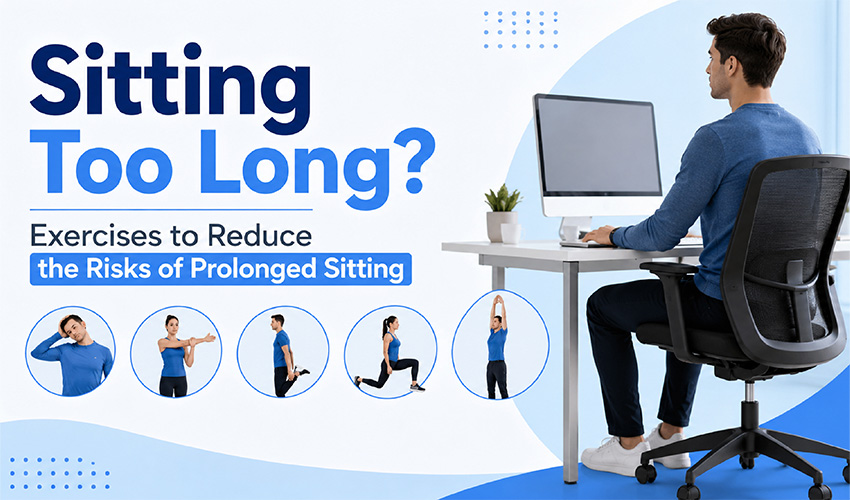
Sitting Too Long? Exercises to Reduce the Risks of Prolonged Sitting
Published On : Jul 2, 2026
Human beings worked very hard to escape physical hardship. We invented chairs, offices, computers, cars, food delivery apps, and desk jobs so that life could become more comfortable.
And then comfort found a way to fight back.
Today, many people spend most of their day sitting. It could be at work, in traffic, during meals, while watching screens, and sometimes even while “relaxing” after a full day of sitting. Software professionals, accountants, drivers, teachers, bankers, call-centre employees, and yes, even dentists bending over patients for hours, all know this lifestyle very well. The irony is hard to miss. Many people work hard to earn a comfortable desk job, only to discover that too much of that comfort can slowly kill them eventually.
The good news is that prolonged sitting is not a life sentence. Small, regular movements, better posture, simple desk exercises, and healthier daily habits can reduce many of the risks linked to sedentary behaviour.
What Is Prolonged Sitting or Sedentary Behaviour?
Sedentary behaviour refers to activities done while sitting, reclining, or lying down that require very little energy. Examples include working at a desk, watching TV, scrolling on a phone, driving, or sitting through long meetings.
Prolonged sitting usually means staying seated for long stretches without meaningful movement breaks. The problem is not sitting itself; it is sitting for too long, too often, with too little movement in between.
Why Is Sitting for Long Hours Harmful?
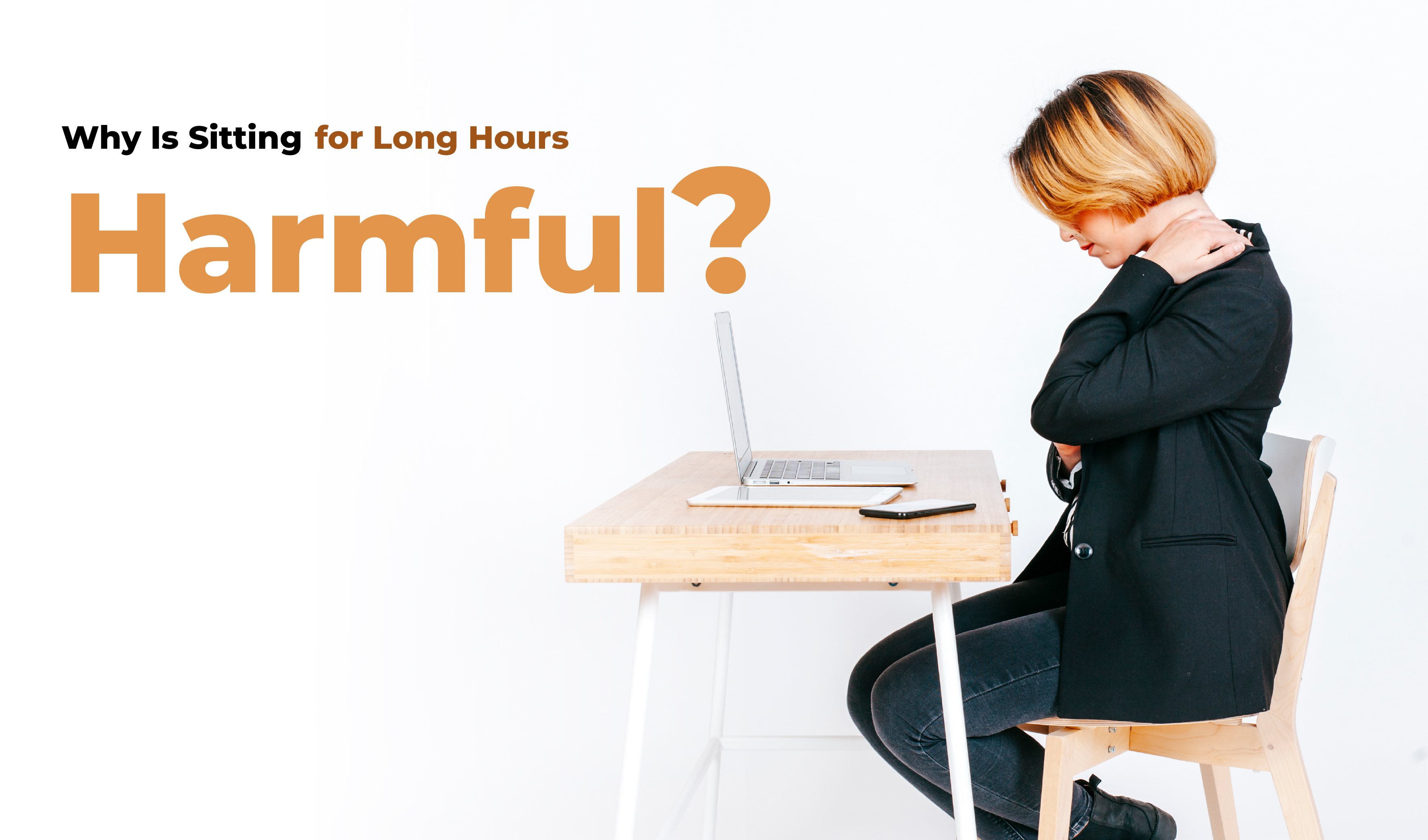
When the body stays still for long periods, large muscles in the legs and hips remain inactive. This slows energy use and affects circulation, blood sugar regulation, fat metabolism, and muscle function.
Over time, prolonged sitting may contribute to:
- Weight gain
- Poor blood sugar control
- Higher blood pressure
- Increased cardiovascular risk
- Back, neck, and shoulder pain
- Reduced flexibility and muscle weakness
- Poor posture and fatigue
Sitting also encourages shallow breathing, rounded shoulders, tight hip flexors, and weak gluteal muscles, all of which can affect posture and mobility.
What happens when you have to sit for long hours? And what if you do this for years?
The effects of sitting are gradual, but they begin earlier than most people realise.
After 1 hour of sitting:
Muscle activity drops, blood flow slows, and stiffness may begin in the neck, shoulders, hips, or lower back.
After 4 hours:
Postural fatigue becomes more noticeable. Hip flexors tighten, shoulders round forward, and concentration may drop due to reduced movement and circulation.
After 8 hours:
The body has spent most of the day in a low-energy state. Blood sugar regulation, circulation, and spinal comfort may be affected, especially if there were no movement breaks.
After years:
A sedentary routine is linked with higher risk of obesity, type 2 diabetes, cardiovascular disease, metabolic problems, chronic back pain, and reduced physical fitness.
Can Prolonged Sitting Increase the Risk of Heart Disease?
Yes. Prolonged sedentary behaviour is associated with a higher risk of cardiovascular disease. Sitting for long periods may affect blood pressure, blood sugar, blood lipids, circulation, and body weight—all important factors for heart health.
Regular exercise helps, but it should not be treated as a complete “undo button” for sitting all day. The better strategy is to combine planned exercise with frequent movement breaks.
Can Regular Exercise Offset the Effects of Sitting All Day?
Regular exercise significantly reduces health risks, but it may not fully cancel the effects of sitting continuously for long hours.
A person who exercises for 30 - 45 minutes but sits for the next 9 - 10 hours still benefits from exercise, but the long uninterrupted sitting remains a concern. The goal should be:
- Regular exercise
- Interruptions while sitting
- Movements built into work routines
In simple terms, gym time matters but your remaining 15 waking hours matter too.
Does Walking 30 Minutes a Day Compensate for Sitting All Day?
Walking 30 minutes a day is excellent for health and is far better than doing nothing. It supports cardiovascular fitness, mood, circulation, and blood sugar control.
However, it should not be seen as full compensation for sitting all day. A daily walk works best when combined with smaller movement breaks, such as standing every 30 - 60 minutes, walking during phone calls, or doing short desk exercises.
What Is a Quick Office Workout for Desk Workers?
A 5-minute routine should wake up the major muscles that become inactive during sitting.
Try this simple desk-friendly sequence:
- March in place or walk briskly around the room
- Chair squats or sit-to-stand repetitions
- Shoulder rolls and arm circles
- Standing calf raises
- Gentle back bends or chest-opening stretch
Each can be done for a minute. This routine improves circulation, activates the legs, opens the chest, and reduces stiffness without needing gym clothes or equipment.
What Simple Workouts Can Be Done in the Office?
Office exercises should be simple, safe, and easy to repeat. Useful options include:
- Sit-to-stand repetitions
- Calf raises
- Seated leg extensions
- Wall push-ups
- Seated spinal twists
- Shoulder blade squeezes
- Neck side stretches
- Wrist and forearm stretches
- Short walking breaks
Even 2–5 minutes of movement repeated several times a day can help reduce stiffness and improve energy.
What Is the Ideal Sitting Posture for Office Workers?

Good posture is not about sitting stiff like a statue. It is about reducing strain.
A better sitting setup includes:
- Feet flat on the floor
- Knees roughly at hip level
- Back supported by the chair
- Shoulders relaxed
- Elbows close to the body
- Screen at eye level
- Keyboard and mouse within easy reach
- Hips pushed back into the chair
The best posture is still the next posture. Even a well-aligned sitting position becomes stressful if held for hours without movement.
Why Do Desk Workers Commonly Experience Neck and Shoulder Pain?
Desk workers often develop neck and shoulder pain because of forward-head posture, rounded shoulders, unsupported arms, and prolonged screen focus.
When the head moves forward, the neck and upper back muscles must work harder to support it. Over time, this leads to fatigue, tightness, headaches, and shoulder discomfort.
Simple corrections help:
- Raise the screen to eye level
- Avoid looking down at laptops for long periods
- Keep shoulders relaxed
- Support the forearms
- Take screen breaks
- Stretch the chest and upper back
What Are the Best Exercises for Lower Back Pain Caused by Sitting?
Sitting-related lower back pain often comes from tight hips, weak core muscles, and poor spinal support. Gentle exercises can help, especially when done consistently.
Helpful options include:
- Pelvic tilts to activate the lower back and core
- Cat-cow stretch to mobilise the spine
- Knee-to-chest stretch to relax the lower back
- Hip flexor stretch to reduce front-hip tightness
- Glute bridges to strengthen the hips and buttocks
- Seated lumbar stretch for quick relief during work
If pain is severe, radiates down the leg, causes numbness, or follows an injury, medical evaluation is important before exercising.
What Daily Habits Can Offset the Effects of Prolonged Sitting?
The most effective habits are small and repeatable.
Try to:
- Stand or walk for 2–5 minutes every 30–60 minutes
- Take phone calls while standing
- Use stairs when possible
- Walk after meals
- Keep a water bottle nearby
- Place printers or supplies slightly away from your desk
- Stretch before stiffness becomes pain
- Do strength training 2–3 times a week
- Sleep well to support recovery
Movement should become part of the day, not an extra task waiting until the end.
What Foods and Hydration Habits Support Desk Workers?
Food will not erase prolonged sitting, but it can support energy, focus, and metabolic health.
Desk workers should focus on:
- Protein-rich meals for satiety
- Fibre from vegetables, fruits, legumes, and whole grains
- Healthy fats from nuts, seeds, and fish
- Limited sugary snacks and sweet drinks
- Regular hydration through the day
Dehydration can worsen fatigue, headaches, and poor concentration. Keeping water nearby also creates a useful reason to stand, refill, and move.
Helpful Products for People Who Sit for Long Hours
Regular movement is the best way to reduce the health risks of prolonged sitting. However, a few supportive products can improve comfort and help maintain better posture during long working hours.
- Posture Corrector Belt
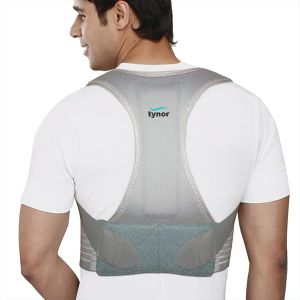
May help improve posture and reduce slouching during desk work. - Cervical Pillow
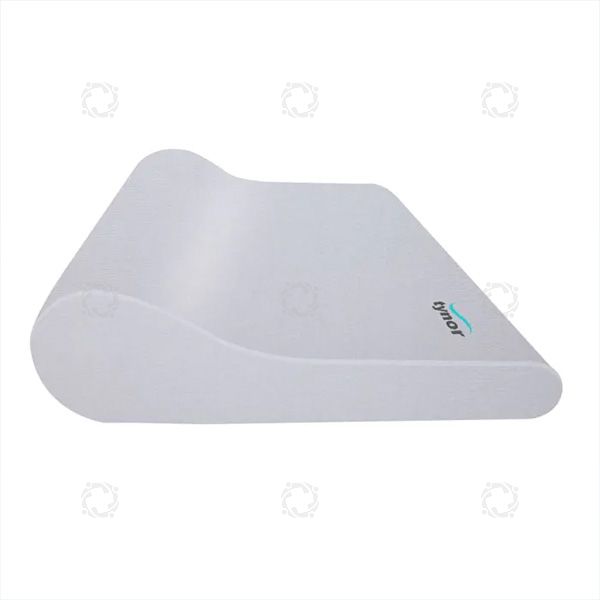
Supports the natural curve of the neck and may help relieve stiffness after long hours of sitting. - Orthopedic Seat Cushion
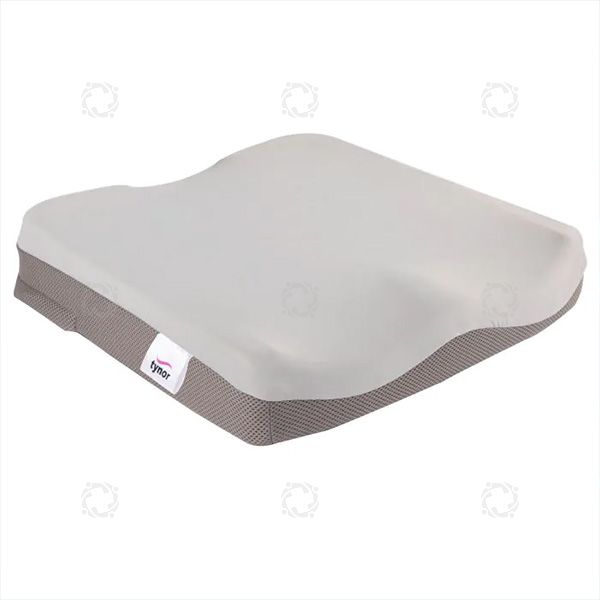
Provides extra support to the hips and lower back, making prolonged sitting more comfortable. - Heat Bag

Can help relax tight muscles and provide temporary relief from neck or back discomfort after sitting for extended periods.
At the end of the day, sitting is not the enemy. The real problem is sitting for too long without interruption.
Modern work may require desks, screens, meetings, and long hours of concentration, but the body still needs movement. A few minutes of walking, stretching, standing, and strengthening throughout the day can protect circulation, posture, muscles, joints, and long-term health.
The goal is not to quit your desk job. The goal is to stop letting your chair become your most consistent health risk.
Author Details
 Written By - Dr Afzal Jaleel (BDS)
 Reviewed By - Dr Navami S M (BDS, Product Specialist)
Leave a comment