


- Ranitin 150 mg Tablet effectively treats gastroesophageal reflux disease (GERD), alleviating symptoms such as heartburn and acid regurgitation.
- This formulation is beneficial in managing peptic ulcer disease, promoting healing and reducing discomfort.
- Ranitin 150 mg Tablet helps prevent the recurrence of ulcers by maintaining a lower level of stomach acidity.
- Patients experiencing acid-related indigestion can find relief through the use of Ranitin 150 mg Tablet.
- The medication is also used to treat Zollinger-Ellison syndrome, a condition characterized by excessive gastric acid production.
- Ranitin 150 mg Tablet can be utilized in combination with other medications to enhance overall treatment efficacy for acid-related disorders.
- This therapy is advantageous for individuals who require long-term management of chronic acid conditions.
- Ranitin 150 mg Tablet is often recommended for patients who experience nighttime symptoms due to its effectiveness in controlling nocturnal gastric acid secretion.
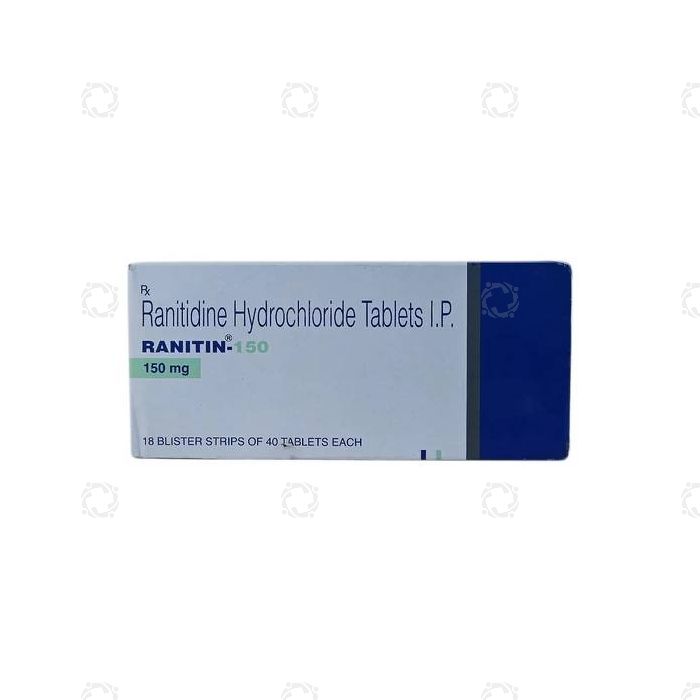
Ranitin 150 mg Tablet - Strip of 40
Prescription Required
Compositions : Ranitidine 150mg
₹61.26
(Incl. GST)
MRP :
(Incl. GST)
MRP :
In stock
Delivery within 2 to 7 Working Days
Manufacture/Marketer: Torrent Pharmaceuticals Ltd
Door Step Delivery
Quick and Secure
No Hidden Charges
Pay only what's shown
18K Pincodes Served
With Trust & Reliability
Description
Ranitin 150 mg Tablet is a pharmaceutical formulation designed to alleviate symptoms associated with gastroesophageal reflux disease (GERD) and peptic ulcer disease. This medication contains Ranitidine as its active ingredient, which belongs to the class of drugs known as histamine H2 receptor antagonists. The primary purpose of Ranitin 150 mg Tablet is to reduce the production of stomach acid, thereby providing relief from conditions characterized by excessive acidity. By blocking histamine at the H2 receptors in the stomach lining, Ranitin 150 mg Tablet effectively decreases gastric acid secretion, which is crucial for managing acid-related disorders. Patients suffering from heartburn, indigestion, or ulcers can benefit significantly from this medication. The therapeutic category of Ranitin 150 mg Tablet encompasses treatments for acid-related gastrointestinal conditions, making it a vital option for those seeking relief from discomfort caused by acid reflux and ulcers. The key composition of Ranitin 150 mg Tablet ensures that it delivers effective results while maintaining a favorable safety profile. With its well-established efficacy, Ranitin 150 mg Tablet is often recommended by healthcare professionals for both short-term and long-term management of acid-related disorders. Understanding the role of Ranitin 150 mg Tablet in treating these conditions can empower patients to make informed decisions about their health and treatment options. Overall, Ranitin 150 mg Tablet stands out as a reliable choice for individuals looking to manage their symptoms effectively and improve their quality of life.
Product Details
Uses & Benefits
How Ranitin 150 mg Tablet works
Ranitin 150 mg Tablet works by inhibiting the action of histamine on H2 receptors in the stomach lining, leading to a decrease in gastric acid production. This mechanism is essential for alleviating symptoms associated with excessive stomach acidity.
Ranitin 150 mg Tablet works by inhibiting the action of histamine on H2 receptors in the stomach lining, leading to a decrease in gastric acid production. This mechanism is essential for alleviating symptoms associated with excessive stomach acidity.
- By blocking H2 receptors, Ranitin 150 mg Tablet reduces the secretion of gastric acid, providing relief from heartburn and indigestion.
- The medication promotes healing of the stomach lining and esophagus by lowering acidity levels.
- Ranitin 150 mg Tablet helps maintain a balanced pH in the stomach, which is crucial for digestive health.
- This formulation aids in preventing damage to the gastrointestinal tract caused by excessive acid.
- Ranitin 150 mg Tablet's action is particularly effective during nighttime when acid secretion tends to increase.
- The reduction in gastric acid also minimizes the risk of ulcer formation and recurrence.
How to use Ranitin 150 mg Tablet
- The recommended dosage of Ranitin 150 mg Tablet typically ranges from one to two tablets per day, depending on the severity of the condition being treated.
- For optimal results, Ranitin 150 mg Tablet should be taken before meals or at bedtime as directed by a healthcare professional.
- The medication can be taken with or without food; however, taking it before meals may enhance its effectiveness.
- Patients should adhere to the prescribed dosage schedule and avoid exceeding the recommended amount of Ranitin 150 mg Tablet.
- In cases where multiple doses are required, spacing them evenly throughout the day is advisable to maintain consistent therapeutic levels.
- Duration of treatment with Ranitin 150 mg Tablet may vary based on individual needs; consult a healthcare provider for personalized recommendations.
- Special instructions include avoiding antacids within two hours before or after taking Ranitin 150 mg Tablet to prevent interference with absorption.
Lifestyle Advice
- Maintain a balanced diet that avoids spicy foods, caffeine, and acidic fruits which can aggravate symptoms when using Ranitin 150 mg Tablet.
- Incorporate regular physical activity into your routine to promote digestive health while on Ranitin 150 mg Tablet.
- Avoid eating large meals close to bedtime; instead, opt for smaller portions earlier in the evening when using Ranitin 150 mg Tablet.
- Stay hydrated by drinking plenty of water throughout the day while taking Ranitin 150 mg Tablet to support overall health.
- Consider keeping a food diary to identify any specific triggers that may worsen symptoms while using Ranitin 150 mg Tablet.
Safety Advice
Side Effects
Side Effects
- Common side effects of Ranitin 150 mg Tablet may include headache, gastrointestinal disturbances, and diarrhea.
- Most side effects are mild and resolve as the body adjusts to the medication; however, persistent symptoms should be reported to a healthcare provider.
- Serious side effects are rare but may include allergic reactions such as rash, itching, or swelling; immediate medical attention is necessary if these occur.
- Patients should monitor for signs of liver dysfunction, such as jaundice or dark urine, while taking Ranitin 150 mg Tablet.
- If any unusual symptoms arise during treatment with Ranitin 150 mg Tablet, consulting a healthcare professional is recommended.
Precautions and Warnings
Precautions & Warnings
- Individuals with known allergies to Ranitidine or any component of Ranitin 150 mg Tablet should avoid using this medication.
- Patients with a history of kidney disease may require dosage adjustments; consult a healthcare provider before use.
- Pregnant or breastfeeding women should discuss potential risks and benefits with their doctor prior to taking Ranitin 150 mg Tablet.
- Avoid alcohol consumption while using Ranitin 150 mg Tablet as it may exacerbate side effects or interfere with treatment efficacy.
- Driving or operating heavy machinery should be approached with caution until individual responses to Ranitin 150 mg Tablet are known.
- Consult a healthcare provider if symptoms persist after two weeks of treatment with Ranitin 150 mg Tablet, as this may indicate an underlying condition requiring further evaluation.
FAQs
1. What conditions does Ranitin 150 mg Tablet treat?
Ranitin 150 mg Tablet is primarily used for treating gastroesophageal reflux disease (GERD) and peptic ulcer disease.
2. How should I take Ranitin 150 mg Tablet?
Ranitin 150 mg Tablet should be taken as directed by your healthcare provider, typically before meals or at bedtime.
3. Are there any side effects associated with Ranitin 150 mg Tablet?
Common side effects include headache, gastrointestinal disturbances, and diarrhea; most are mild and resolve quickly.
4. Can I drink alcohol while taking Ranitin 150 mg Tablet?
It is advisable to avoid alcohol while using Ranitin 150 mg Tablet as it may increase side effects.
5. Is it safe to use Ranitin 150 mg Tablet during pregnancy?
Pregnant women should consult their healthcare provider before using Ranitin 150 mg Tablet to discuss potential risks.
6. What should I do if I miss a dose of Ranitin 150 mg Tablet?
If you miss a dose of Ranitin 150 mg Tablet, take it as soon as you remember unless it's almost time for your next dose.
7. How long can I take Ranitin 150 mg Tablet?
The duration of treatment with Ranitin 150 mg Tablet varies; consult your healthcare provider for personalized guidance.
Instructions
Directions for Use
Use only as prescribed by your physician.
Storage and Disposal
- Store at room temperature, away from heat and moisture.
- Keep out of reach of children.
- Dispose of expired or unused tablets safely, as advised by your pharmacist.[3]
More Information
| SKU | 435061 |
|---|---|
| Country of Manufacture | India |
| Manufacturer Address | Torrent Pharmaceuticals Ltd |
| Return/Buy Back policy | Non-returnable |
| Prescription Required | Yes |
| Storage |
|
| Seller | Kogland Commerce Pvt Ltd (TN) |
Ranitin 150 mg Tablet is a pharmaceutical formulation designed to alleviate symptoms associated with gastroesophageal reflux disease (GERD) and peptic ulcer disease. This medication contains Ranitidine as its active ingredient, which belongs to the class of drugs known as histamine H2 receptor antagonists. The primary purpose of Ranitin 150 mg Tablet is to reduce the production of stomach acid, thereby providing relief from conditions characterized by excessive acidity. By blocking histamine at the H2 receptors in the stomach lining, Ranitin 150 mg Tablet effectively decreases gastric acid secretion, which is crucial for managing acid-related disorders. Patients suffering from heartburn, indigestion, or ulcers can benefit significantly from this medication. The therapeutic category of Ranitin 150 mg Tablet encompasses treatments for acid-related gastrointestinal conditions, making it a vital option for those seeking relief from discomfort caused by acid reflux and ulcers. The key composition of Ranitin 150 mg Tablet ensures that it delivers effective results while maintaining a favorable safety profile. With its well-established efficacy, Ranitin 150 mg Tablet is often recommended by healthcare professionals for both short-term and long-term management of acid-related disorders. Understanding the role of Ranitin 150 mg Tablet in treating these conditions can empower patients to make informed decisions about their health and treatment options. Overall, Ranitin 150 mg Tablet stands out as a reliable choice for individuals looking to manage their symptoms effectively and improve their quality of life.
Uses & Benefits
- Ranitin 150 mg Tablet effectively treats gastroesophageal reflux disease (GERD), alleviating symptoms such as heartburn and acid regurgitation.
- This formulation is beneficial in managing peptic ulcer disease, promoting healing and reducing discomfort.
- Ranitin 150 mg Tablet helps prevent the recurrence of ulcers by maintaining a lower level of stomach acidity.
- Patients experiencing acid-related indigestion can find relief through the use of Ranitin 150 mg Tablet.
- The medication is also used to treat Zollinger-Ellison syndrome, a condition characterized by excessive gastric acid production.
- Ranitin 150 mg Tablet can be utilized in combination with other medications to enhance overall treatment efficacy for acid-related disorders.
- This therapy is advantageous for individuals who require long-term management of chronic acid conditions.
- Ranitin 150 mg Tablet is often recommended for patients who experience nighttime symptoms due to its effectiveness in controlling nocturnal gastric acid secretion.
How Ranitin 150 mg Tablet works
Ranitin 150 mg Tablet works by inhibiting the action of histamine on H2 receptors in the stomach lining, leading to a decrease in gastric acid production. This mechanism is essential for alleviating symptoms associated with excessive stomach acidity.
Ranitin 150 mg Tablet works by inhibiting the action of histamine on H2 receptors in the stomach lining, leading to a decrease in gastric acid production. This mechanism is essential for alleviating symptoms associated with excessive stomach acidity.
- By blocking H2 receptors, Ranitin 150 mg Tablet reduces the secretion of gastric acid, providing relief from heartburn and indigestion.
- The medication promotes healing of the stomach lining and esophagus by lowering acidity levels.
- Ranitin 150 mg Tablet helps maintain a balanced pH in the stomach, which is crucial for digestive health.
- This formulation aids in preventing damage to the gastrointestinal tract caused by excessive acid.
- Ranitin 150 mg Tablet's action is particularly effective during nighttime when acid secretion tends to increase.
- The reduction in gastric acid also minimizes the risk of ulcer formation and recurrence.
How to use Ranitin 150 mg Tablet
- The recommended dosage of Ranitin 150 mg Tablet typically ranges from one to two tablets per day, depending on the severity of the condition being treated.
- For optimal results, Ranitin 150 mg Tablet should be taken before meals or at bedtime as directed by a healthcare professional.
- The medication can be taken with or without food; however, taking it before meals may enhance its effectiveness.
- Patients should adhere to the prescribed dosage schedule and avoid exceeding the recommended amount of Ranitin 150 mg Tablet.
- In cases where multiple doses are required, spacing them evenly throughout the day is advisable to maintain consistent therapeutic levels.
- Duration of treatment with Ranitin 150 mg Tablet may vary based on individual needs; consult a healthcare provider for personalized recommendations.
- Special instructions include avoiding antacids within two hours before or after taking Ranitin 150 mg Tablet to prevent interference with absorption.
Lifestyle Advice
- Maintain a balanced diet that avoids spicy foods, caffeine, and acidic fruits which can aggravate symptoms when using Ranitin 150 mg Tablet.
- Incorporate regular physical activity into your routine to promote digestive health while on Ranitin 150 mg Tablet.
- Avoid eating large meals close to bedtime; instead, opt for smaller portions earlier in the evening when using Ranitin 150 mg Tablet.
- Stay hydrated by drinking plenty of water throughout the day while taking Ranitin 150 mg Tablet to support overall health.
- Consider keeping a food diary to identify any specific triggers that may worsen symptoms while using Ranitin 150 mg Tablet.
Side Effects
Side Effects
- Common side effects of Ranitin 150 mg Tablet may include headache, gastrointestinal disturbances, and diarrhea.
- Most side effects are mild and resolve as the body adjusts to the medication; however, persistent symptoms should be reported to a healthcare provider.
- Serious side effects are rare but may include allergic reactions such as rash, itching, or swelling; immediate medical attention is necessary if these occur.
- Patients should monitor for signs of liver dysfunction, such as jaundice or dark urine, while taking Ranitin 150 mg Tablet.
- If any unusual symptoms arise during treatment with Ranitin 150 mg Tablet, consulting a healthcare professional is recommended.
Precautions and Warnings
Precautions & Warnings
- Individuals with known allergies to Ranitidine or any component of Ranitin 150 mg Tablet should avoid using this medication.
- Patients with a history of kidney disease may require dosage adjustments; consult a healthcare provider before use.
- Pregnant or breastfeeding women should discuss potential risks and benefits with their doctor prior to taking Ranitin 150 mg Tablet.
- Avoid alcohol consumption while using Ranitin 150 mg Tablet as it may exacerbate side effects or interfere with treatment efficacy.
- Driving or operating heavy machinery should be approached with caution until individual responses to Ranitin 150 mg Tablet are known.
- Consult a healthcare provider if symptoms persist after two weeks of treatment with Ranitin 150 mg Tablet, as this may indicate an underlying condition requiring further evaluation.
1. What conditions does Ranitin 150 mg Tablet treat?
Ranitin 150 mg Tablet is primarily used for treating gastroesophageal reflux disease (GERD) and peptic ulcer disease.
2. How should I take Ranitin 150 mg Tablet?
Ranitin 150 mg Tablet should be taken as directed by your healthcare provider, typically before meals or at bedtime.
3. Are there any side effects associated with Ranitin 150 mg Tablet?
Common side effects include headache, gastrointestinal disturbances, and diarrhea; most are mild and resolve quickly.
4. Can I drink alcohol while taking Ranitin 150 mg Tablet?
It is advisable to avoid alcohol while using Ranitin 150 mg Tablet as it may increase side effects.
5. Is it safe to use Ranitin 150 mg Tablet during pregnancy?
Pregnant women should consult their healthcare provider before using Ranitin 150 mg Tablet to discuss potential risks.
6. What should I do if I miss a dose of Ranitin 150 mg Tablet?
If you miss a dose of Ranitin 150 mg Tablet, take it as soon as you remember unless it's almost time for your next dose.
7. How long can I take Ranitin 150 mg Tablet?
The duration of treatment with Ranitin 150 mg Tablet varies; consult your healthcare provider for personalized guidance.
Ranitin 150 mg Tablet is primarily used for treating gastroesophageal reflux disease (GERD) and peptic ulcer disease.
2. How should I take Ranitin 150 mg Tablet?
Ranitin 150 mg Tablet should be taken as directed by your healthcare provider, typically before meals or at bedtime.
3. Are there any side effects associated with Ranitin 150 mg Tablet?
Common side effects include headache, gastrointestinal disturbances, and diarrhea; most are mild and resolve quickly.
4. Can I drink alcohol while taking Ranitin 150 mg Tablet?
It is advisable to avoid alcohol while using Ranitin 150 mg Tablet as it may increase side effects.
5. Is it safe to use Ranitin 150 mg Tablet during pregnancy?
Pregnant women should consult their healthcare provider before using Ranitin 150 mg Tablet to discuss potential risks.
6. What should I do if I miss a dose of Ranitin 150 mg Tablet?
If you miss a dose of Ranitin 150 mg Tablet, take it as soon as you remember unless it's almost time for your next dose.
7. How long can I take Ranitin 150 mg Tablet?
The duration of treatment with Ranitin 150 mg Tablet varies; consult your healthcare provider for personalized guidance.
Directions for Use
Use only as prescribed by your physician.
Storage and Disposal
- Store at room temperature, away from heat and moisture.
- Keep out of reach of children.
- Dispose of expired or unused tablets safely, as advised by your pharmacist.[3]
| SKU | 435061 |
|---|---|
| Country of Manufacture | India |
| Manufacturer Address | Torrent Pharmaceuticals Ltd |
| Return/Buy Back policy | Non-returnable |
| Prescription Required | Yes |
| Storage |
|
| Seller | Kogland Commerce Pvt Ltd (TN) |
Door Step Delivery
Quick and Secure
No Hidden Charges
Pay only what's shown
18K Pincodes Served
With Trust & Reliability
Customer Reviews
No reviews yet
Be the first to share your thoughts. Honest feedback helps other shoppers and us serve you better.
Write Your Own Review
Only registered users can write reviews. Please Sign in or create an account