


- Helps regulate blood sugar levels in patients with diabetes.
- Reduces the risk of hyperglycemia and its complications.
- Facilitates better glucose utilization by the body.
- Available in various formulations to suit individual patient needs.
- Can be used in both type 1 and type 2 diabetes management.
- Supports overall metabolic health and well-being.
- Allows for flexible dosing schedules based on lifestyle and dietary habits.
- May improve energy levels and reduce symptoms associated with high blood sugar.
- Essential for patients who cannot produce sufficient insulin naturally.
- Can be combined with other antidiabetic medications for enhanced efficacy.
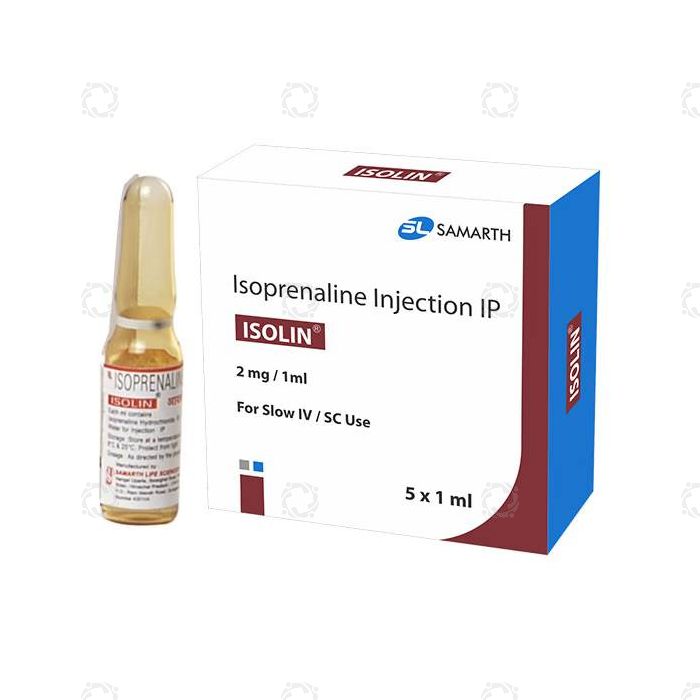
Isolin Injection - 1 ml
Prescription Required
Compositions : Isoprenaline 2mg
₹57.09
(Incl. GST)
MRP :
(Incl. GST)
MRP :
Out of stock
Delivery within 2 to 7 Working Days
Manufacture/Marketer: SAMARTH LIFE SCIENCES PVT. LTD
Door Step Delivery
Quick and Secure
No Hidden Charges
Pay only what's shown
18K Pincodes Served
With Trust & Reliability
Description
Isolin Injection is a pharmaceutical product primarily used for the management of diabetes mellitus. It contains insulin as its active ingredient, which is a hormone produced by the pancreas that plays a crucial role in glucose metabolism. The composition of Isolin Injection includes various forms of insulin, which may vary in their onset and duration of action, allowing for tailored treatment plans for individuals with diabetes. The primary therapeutic purpose of Isolin Injection is to help control blood sugar levels in patients with type 1 and type 2 diabetes. By mimicking the natural insulin produced by the body, Isolin Injection aids in the effective utilization of glucose, thereby preventing hyperglycemia and its associated complications. This medication is typically administered via subcutaneous injection, making it convenient for patients to use at home or in clinical settings. Isolin Injection is essential for those who require insulin therapy to manage their diabetes effectively, ensuring they maintain optimal blood glucose levels and reduce the risk of long-term complications such as neuropathy, nephropathy, and cardiovascular diseases. The formulation of Isolin Injection is designed to provide consistent and reliable results, making it a trusted choice among healthcare professionals and patients alike. With proper usage and adherence to prescribed dosages, Isolin Injection can significantly improve the quality of life for individuals living with diabetes, allowing them to lead healthier and more active lives.
Product Details
Uses & Benefits
How Isolin Injection works
- Isolin Injection works by providing exogenous insulin to the body, which helps lower blood glucose levels.
- Insulin facilitates the uptake of glucose by cells, particularly muscle and fat cells.
- It inhibits hepatic glucose production, reducing the amount of sugar released into the bloodstream.
- The different formulations of insulin in Isolin Injection allow for varying rates of absorption and action.
- Short-acting insulins provide quick control of blood sugar after meals.
- Long-acting insulins help maintain baseline insulin levels throughout the day.
How to use Isolin Injection
- Administer Isolin Injection subcutaneously as directed by your healthcare provider.
- The dosage will depend on individual blood sugar levels and treatment goals.
- Typically, injections are given in the abdomen, thigh, or upper arm.
- Rotate injection sites to prevent lipodystrophy (fat tissue changes).
- Monitor blood glucose levels regularly to adjust dosage as needed.
- Follow a consistent schedule for injections, usually before meals or as prescribed.
- Do not mix Isolin Injection with other insulins unless instructed by a healthcare professional.
- Store unused vials in the refrigerator; do not freeze.
Lifestyle Advice
- Maintain a balanced diet rich in whole grains, fruits, vegetables, and lean proteins.
- Engage in regular physical activity to help manage blood sugar levels effectively.
- Monitor blood glucose levels consistently to understand how food and activity affect them.
- Avoid excessive alcohol consumption as it can interfere with blood sugar control.
- Stay hydrated by drinking plenty of water throughout the day.
- Educate yourself about carbohydrate counting to better manage insulin doses.
Safety Advice
Side Effects
- Common side effects include:
- Hypoglycemia (low blood sugar), which may cause dizziness, sweating, or confusion.
- Injection site reactions such as redness, swelling, or itching.
- Weight gain due to improved glucose metabolism.
- Serious side effects that require immediate medical attention:
- Anaphylaxis or severe allergic reactions characterized by difficulty breathing or swelling of the face/tongue.
- Ketoacidosis, which may present as nausea, vomiting, abdominal pain, or fruity breath odor.
Precautions and Warnings
- Contraindications include:
- Hypersensitivity to insulin or any component of Isolin Injection.
- Key precautions:
- Monitor blood glucose levels regularly to avoid hypoglycemia.
- Avoid alcohol consumption as it can affect blood sugar control.
- Pregnancy: Consult your doctor before use; insulin may be necessary during pregnancy but requires careful monitoring.
- Breastfeeding: Discuss with your healthcare provider if you are breastfeeding while using Isolin Injection.
- Driving: Be cautious when driving if you experience symptoms of low blood sugar.
- Kidney/Liver: Patients with renal or hepatic impairment should use Isolin Injection under medical supervision due to altered insulin metabolism.
FAQs
1. What should I do if I miss a dose of Isolin Injection?
If you miss a dose of Isolin Injection, administer it as soon as you remember. If it's close to your next scheduled dose, skip the missed dose and continue with your regular dosing schedule. Do not double up on doses.
2. Can I use Isolin Injection if I am pregnant?
Consult your healthcare provider before using Isolin Injection during pregnancy. Insulin therapy may be necessary for managing diabetes during pregnancy.
3. Are there any food interactions with Isolin Injection?
Certain foods can affect blood sugar levels; therefore, it's important to monitor your diet closely while using Isolin Injection.
4. How should I store Isolin Injection?
Store unopened vials of Isolin Injection in the refrigerator. Once opened, it can be kept at room temperature for a limited time.
5. Who should avoid using Isolin Injection?
Individuals with hypoglycemia or those allergic to insulin should avoid using Isolin Injection. Always consult your doctor for personalized advice.
6. What are the common side effects of Isolin Injection?
Common side effects may include hypoglycemia, injection site reactions, and weight gain. Report any severe reactions to your healthcare provider.
7. Can I drive after taking Isolin Injection?
Be cautious when driving or operating machinery if you experience low blood sugar symptoms after taking Isolin Injection.
If you miss a dose of Isolin Injection, administer it as soon as you remember. If it's close to your next scheduled dose, skip the missed dose and continue with your regular dosing schedule. Do not double up on doses.
2. Can I use Isolin Injection if I am pregnant?
Consult your healthcare provider before using Isolin Injection during pregnancy. Insulin therapy may be necessary for managing diabetes during pregnancy.
3. Are there any food interactions with Isolin Injection?
Certain foods can affect blood sugar levels; therefore, it's important to monitor your diet closely while using Isolin Injection.
4. How should I store Isolin Injection?
Store unopened vials of Isolin Injection in the refrigerator. Once opened, it can be kept at room temperature for a limited time.
5. Who should avoid using Isolin Injection?
Individuals with hypoglycemia or those allergic to insulin should avoid using Isolin Injection. Always consult your doctor for personalized advice.
6. What are the common side effects of Isolin Injection?
Common side effects may include hypoglycemia, injection site reactions, and weight gain. Report any severe reactions to your healthcare provider.
7. Can I drive after taking Isolin Injection?
Be cautious when driving or operating machinery if you experience low blood sugar symptoms after taking Isolin Injection.
Instructions
No content available for this section.
More Information
| SKU | 285026 |
|---|---|
| Country of Manufacture | India |
| Manufacturer Address | SAMARTH LIFE SCIENCES PVT. LTD |
| Return/Buy Back policy | Non-returnable |
| Prescription Required | Yes |
| Seller | Kogland Commerce Pvt Ltd (TN) |
Isolin Injection is a pharmaceutical product primarily used for the management of diabetes mellitus. It contains insulin as its active ingredient, which is a hormone produced by the pancreas that plays a crucial role in glucose metabolism. The composition of Isolin Injection includes various forms of insulin, which may vary in their onset and duration of action, allowing for tailored treatment plans for individuals with diabetes. The primary therapeutic purpose of Isolin Injection is to help control blood sugar levels in patients with type 1 and type 2 diabetes. By mimicking the natural insulin produced by the body, Isolin Injection aids in the effective utilization of glucose, thereby preventing hyperglycemia and its associated complications. This medication is typically administered via subcutaneous injection, making it convenient for patients to use at home or in clinical settings. Isolin Injection is essential for those who require insulin therapy to manage their diabetes effectively, ensuring they maintain optimal blood glucose levels and reduce the risk of long-term complications such as neuropathy, nephropathy, and cardiovascular diseases. The formulation of Isolin Injection is designed to provide consistent and reliable results, making it a trusted choice among healthcare professionals and patients alike. With proper usage and adherence to prescribed dosages, Isolin Injection can significantly improve the quality of life for individuals living with diabetes, allowing them to lead healthier and more active lives.
Uses & Benefits
- Helps regulate blood sugar levels in patients with diabetes.
- Reduces the risk of hyperglycemia and its complications.
- Facilitates better glucose utilization by the body.
- Available in various formulations to suit individual patient needs.
- Can be used in both type 1 and type 2 diabetes management.
- Supports overall metabolic health and well-being.
- Allows for flexible dosing schedules based on lifestyle and dietary habits.
- May improve energy levels and reduce symptoms associated with high blood sugar.
- Essential for patients who cannot produce sufficient insulin naturally.
- Can be combined with other antidiabetic medications for enhanced efficacy.
How Isolin Injection works
- Isolin Injection works by providing exogenous insulin to the body, which helps lower blood glucose levels.
- Insulin facilitates the uptake of glucose by cells, particularly muscle and fat cells.
- It inhibits hepatic glucose production, reducing the amount of sugar released into the bloodstream.
- The different formulations of insulin in Isolin Injection allow for varying rates of absorption and action.
- Short-acting insulins provide quick control of blood sugar after meals.
- Long-acting insulins help maintain baseline insulin levels throughout the day.
How to use Isolin Injection
- Administer Isolin Injection subcutaneously as directed by your healthcare provider.
- The dosage will depend on individual blood sugar levels and treatment goals.
- Typically, injections are given in the abdomen, thigh, or upper arm.
- Rotate injection sites to prevent lipodystrophy (fat tissue changes).
- Monitor blood glucose levels regularly to adjust dosage as needed.
- Follow a consistent schedule for injections, usually before meals or as prescribed.
- Do not mix Isolin Injection with other insulins unless instructed by a healthcare professional.
- Store unused vials in the refrigerator; do not freeze.
Lifestyle Advice
- Maintain a balanced diet rich in whole grains, fruits, vegetables, and lean proteins.
- Engage in regular physical activity to help manage blood sugar levels effectively.
- Monitor blood glucose levels consistently to understand how food and activity affect them.
- Avoid excessive alcohol consumption as it can interfere with blood sugar control.
- Stay hydrated by drinking plenty of water throughout the day.
- Educate yourself about carbohydrate counting to better manage insulin doses.
Side Effects
- Common side effects include:
- Hypoglycemia (low blood sugar), which may cause dizziness, sweating, or confusion.
- Injection site reactions such as redness, swelling, or itching.
- Weight gain due to improved glucose metabolism.
- Serious side effects that require immediate medical attention:
- Anaphylaxis or severe allergic reactions characterized by difficulty breathing or swelling of the face/tongue.
- Ketoacidosis, which may present as nausea, vomiting, abdominal pain, or fruity breath odor.
Precautions and Warnings
- Contraindications include:
- Hypersensitivity to insulin or any component of Isolin Injection.
- Key precautions:
- Monitor blood glucose levels regularly to avoid hypoglycemia.
- Avoid alcohol consumption as it can affect blood sugar control.
- Pregnancy: Consult your doctor before use; insulin may be necessary during pregnancy but requires careful monitoring.
- Breastfeeding: Discuss with your healthcare provider if you are breastfeeding while using Isolin Injection.
- Driving: Be cautious when driving if you experience symptoms of low blood sugar.
- Kidney/Liver: Patients with renal or hepatic impairment should use Isolin Injection under medical supervision due to altered insulin metabolism.
1. What should I do if I miss a dose of Isolin Injection?
If you miss a dose of Isolin Injection, administer it as soon as you remember. If it's close to your next scheduled dose, skip the missed dose and continue with your regular dosing schedule. Do not double up on doses.
2. Can I use Isolin Injection if I am pregnant?
Consult your healthcare provider before using Isolin Injection during pregnancy. Insulin therapy may be necessary for managing diabetes during pregnancy.
3. Are there any food interactions with Isolin Injection?
Certain foods can affect blood sugar levels; therefore, it's important to monitor your diet closely while using Isolin Injection.
4. How should I store Isolin Injection?
Store unopened vials of Isolin Injection in the refrigerator. Once opened, it can be kept at room temperature for a limited time.
5. Who should avoid using Isolin Injection?
Individuals with hypoglycemia or those allergic to insulin should avoid using Isolin Injection. Always consult your doctor for personalized advice.
6. What are the common side effects of Isolin Injection?
Common side effects may include hypoglycemia, injection site reactions, and weight gain. Report any severe reactions to your healthcare provider.
7. Can I drive after taking Isolin Injection?
Be cautious when driving or operating machinery if you experience low blood sugar symptoms after taking Isolin Injection.
If you miss a dose of Isolin Injection, administer it as soon as you remember. If it's close to your next scheduled dose, skip the missed dose and continue with your regular dosing schedule. Do not double up on doses.
2. Can I use Isolin Injection if I am pregnant?
Consult your healthcare provider before using Isolin Injection during pregnancy. Insulin therapy may be necessary for managing diabetes during pregnancy.
3. Are there any food interactions with Isolin Injection?
Certain foods can affect blood sugar levels; therefore, it's important to monitor your diet closely while using Isolin Injection.
4. How should I store Isolin Injection?
Store unopened vials of Isolin Injection in the refrigerator. Once opened, it can be kept at room temperature for a limited time.
5. Who should avoid using Isolin Injection?
Individuals with hypoglycemia or those allergic to insulin should avoid using Isolin Injection. Always consult your doctor for personalized advice.
6. What are the common side effects of Isolin Injection?
Common side effects may include hypoglycemia, injection site reactions, and weight gain. Report any severe reactions to your healthcare provider.
7. Can I drive after taking Isolin Injection?
Be cautious when driving or operating machinery if you experience low blood sugar symptoms after taking Isolin Injection.
No content available for this section.
| SKU | 285026 |
|---|---|
| Country of Manufacture | India |
| Manufacturer Address | SAMARTH LIFE SCIENCES PVT. LTD |
| Return/Buy Back policy | Non-returnable |
| Prescription Required | Yes |
| Seller | Kogland Commerce Pvt Ltd (TN) |
Door Step Delivery
Quick and Secure
No Hidden Charges
Pay only what's shown
18K Pincodes Served
With Trust & Reliability
Customer Reviews
No reviews yet
Be the first to share your thoughts. Honest feedback helps other shoppers and us serve you better.
Write Your Own Review
Only registered users can write reviews. Please Sign in or create an account