



- Helps lower blood glucose levels in patients with type 2 diabetes.
- Improves insulin sensitivity, aiding in better glucose uptake by cells.
- Reduces hepatic glucose production, contributing to overall glycemic control.
- May assist in weight management for overweight individuals with diabetes.
- Can be used in combination with other antidiabetic medications for enhanced effect.
- Reduces the risk of diabetes-related complications such as neuropathy and retinopathy.
- Supports cardiovascular health by improving lipid profiles.
- May have a positive impact on metabolic syndrome parameters.
- Facilitates better glycemic control when combined with lifestyle changes like diet and exercise.
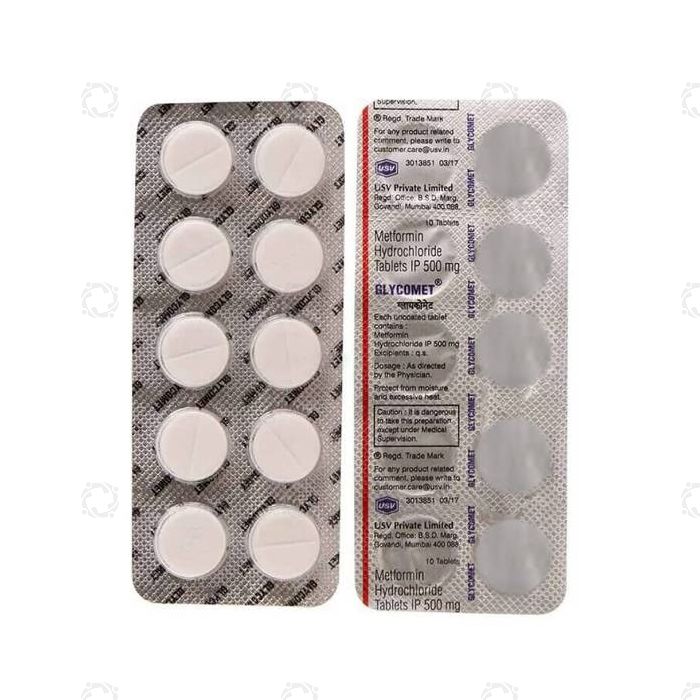
Glycomet Tablet - Strip of 10
Prescription Required
Compositions : Metformin 500mg
₹16.06
(Incl. GST)
MRP :
(Incl. GST)
MRP :
In stock
Delivery within 2 to 7 Working Days
Manufacture/Marketer: USV Private Limited
Door Step Delivery
Quick and Secure
No Hidden Charges
Pay only what's shown
18K Pincodes Served
With Trust & Reliability
Description
Glycomet Tablet is a prescription medication primarily used in the management of type 2 diabetes mellitus. It contains Metformin as its active ingredient, which belongs to the biguanide class of oral hypoglycemic agents. Glycomet Tablet works by improving insulin sensitivity and decreasing hepatic glucose production, thereby helping to control blood sugar levels in patients with diabetes. The formulation is designed to be taken orally, and it is available in various strengths to cater to individual patient needs. Glycomet Tablet is often prescribed as part of a comprehensive diabetes management plan that includes dietary modifications and physical activity. Its primary therapeutic purpose is to lower blood glucose levels and maintain them within a target range, reducing the risk of diabetes-related complications. The medication is typically well-tolerated and has been a cornerstone in diabetes management for many years, making it a trusted choice among healthcare providers. Glycomet Tablet is not only effective in controlling blood sugar but also has beneficial effects on weight management, making it suitable for overweight or obese patients with type 2 diabetes. It is important for patients to follow their healthcare provider's instructions regarding the use of Glycomet Tablet to achieve optimal results.
Product Details
Uses & Benefits
How Glycomet Tablet works
- Glycomet Tablet primarily contains Metformin, which enhances insulin sensitivity.
- It decreases glucose production in the liver, leading to lower blood sugar levels.
- The drug increases peripheral glucose uptake and utilization by tissues.
- It reduces intestinal absorption of glucose, further aiding in glycemic control.
- Metformin may also promote weight loss or weight stabilization in patients.
How to use Glycomet Tablet
- Take Glycomet Tablet orally with meals to minimize gastrointestinal side effects.
- The typical starting dose is 500 mg once or twice daily, depending on individual needs.
- Doses may be gradually increased based on blood sugar levels and tolerance.
- The maximum recommended dose is usually 2000-3000 mg per day, divided into multiple doses.
- Maintain consistent timing for taking the medication each day for optimal results.
- Do not crush or chew the tablet; swallow it whole with water.
- If a dose is missed, take it as soon as remembered unless it's close to the next scheduled dose.
- Consult your healthcare provider for specific dosage adjustments if necessary.
Lifestyle Advice
- Adopt a balanced diet rich in whole grains, fruits, vegetables, and lean proteins.
- Engage in regular physical activity, aiming for at least 150 minutes of moderate exercise weekly.
- Monitor blood sugar levels regularly to track the effectiveness of Glycomet Tablet.
- Avoid excessive consumption of sugary foods and beverages that can spike blood sugar levels.
- Stay hydrated by drinking plenty of water throughout the day.
- Maintain a healthy weight through diet and exercise to enhance the effectiveness of the medication.
Safety Advice
Side Effects
- Common side effects include gastrointestinal disturbances such as nausea, vomiting, diarrhea, and abdominal discomfort.
- Some patients may experience a metallic taste in the mouth while taking Glycomet Tablet.
- Serious side effects can include lactic acidosis, which is a rare but potentially life-threatening condition; seek immediate medical attention if symptoms like muscle pain, difficulty breathing, or unusual fatigue occur.
- Allergic reactions are possible; watch for signs such as rash, itching, or swelling and contact your doctor if they occur.
- Regular monitoring of kidney function is recommended during treatment with Glycomet Tablet due to potential renal implications.
Precautions and Warnings
- Avoid using Glycomet Tablet if you have severe kidney disease or are undergoing procedures that may affect kidney function.
- Inform your healthcare provider about any other medications you are taking to prevent interactions.
- Patients with liver disease should use Glycomet Tablet cautiously and under medical supervision.
- Avoid alcohol consumption while taking this medication due to the risk of lactic acidosis and hypoglycemia.
- Pregnant or breastfeeding women should consult their healthcare provider before using Glycomet Tablet to ensure safety for both mother and child.
- Monitor blood sugar levels regularly and report any significant changes to your healthcare provider promptly.
FAQs
1. Is Glycomet Tablet safe for everyone?
Glycomet Tablet is generally safe for most individuals with type 2 diabetes; however, those with certain conditions such as severe kidney impairment should avoid it.
2. What should I do if I miss a dose of Glycomet Tablet?
If you miss a dose, take it as soon as you remember unless it's almost time for your next dose; do not double up.
3. Can I take Glycomet Tablet with other medications?
Yes, Glycomet Tablet can be taken with other diabetes medications, but consult your healthcare provider for specific recommendations.
4. How should I store Glycomet Tablet?
Store Glycomet Tablet at room temperature away from moisture and heat, keeping it out of reach of children.
5. Are there any common side effects associated with Glycomet Tablet?
Common side effects may include gastrointestinal issues like nausea or diarrhea; consult your doctor if these persist.
6. Can I drink alcohol while taking Glycomet Tablet?
It's advisable to limit alcohol intake while on Glycomet Tablet as it can affect blood sugar levels.
7. Is it safe to use Glycomet Tablet during pregnancy?
Pregnant women should consult their healthcare provider before using Glycomet Tablet to assess risks and benefits.
Glycomet Tablet is generally safe for most individuals with type 2 diabetes; however, those with certain conditions such as severe kidney impairment should avoid it.
2. What should I do if I miss a dose of Glycomet Tablet?
If you miss a dose, take it as soon as you remember unless it's almost time for your next dose; do not double up.
3. Can I take Glycomet Tablet with other medications?
Yes, Glycomet Tablet can be taken with other diabetes medications, but consult your healthcare provider for specific recommendations.
4. How should I store Glycomet Tablet?
Store Glycomet Tablet at room temperature away from moisture and heat, keeping it out of reach of children.
5. Are there any common side effects associated with Glycomet Tablet?
Common side effects may include gastrointestinal issues like nausea or diarrhea; consult your doctor if these persist.
6. Can I drink alcohol while taking Glycomet Tablet?
It's advisable to limit alcohol intake while on Glycomet Tablet as it can affect blood sugar levels.
7. Is it safe to use Glycomet Tablet during pregnancy?
Pregnant women should consult their healthcare provider before using Glycomet Tablet to assess risks and benefits.
Instructions
Directions for Use
Use only as prescribed by your physician.
Storage and Disposal
Please refer to the product label for storage information.
More Information
| SKU | 915012 |
|---|---|
| Country of Manufacture | India |
| Manufacturer Address | USV Private Limited |
| Return/Buy Back policy | Non-returnable |
| Prescription Required | Yes |
| Storage | Please refer to the product label for storage information. |
| Seller | Kogland Commerce Pvt Ltd (TN) |
Glycomet Tablet is a prescription medication primarily used in the management of type 2 diabetes mellitus. It contains Metformin as its active ingredient, which belongs to the biguanide class of oral hypoglycemic agents. Glycomet Tablet works by improving insulin sensitivity and decreasing hepatic glucose production, thereby helping to control blood sugar levels in patients with diabetes. The formulation is designed to be taken orally, and it is available in various strengths to cater to individual patient needs. Glycomet Tablet is often prescribed as part of a comprehensive diabetes management plan that includes dietary modifications and physical activity. Its primary therapeutic purpose is to lower blood glucose levels and maintain them within a target range, reducing the risk of diabetes-related complications. The medication is typically well-tolerated and has been a cornerstone in diabetes management for many years, making it a trusted choice among healthcare providers. Glycomet Tablet is not only effective in controlling blood sugar but also has beneficial effects on weight management, making it suitable for overweight or obese patients with type 2 diabetes. It is important for patients to follow their healthcare provider's instructions regarding the use of Glycomet Tablet to achieve optimal results.
Uses & Benefits
- Helps lower blood glucose levels in patients with type 2 diabetes.
- Improves insulin sensitivity, aiding in better glucose uptake by cells.
- Reduces hepatic glucose production, contributing to overall glycemic control.
- May assist in weight management for overweight individuals with diabetes.
- Can be used in combination with other antidiabetic medications for enhanced effect.
- Reduces the risk of diabetes-related complications such as neuropathy and retinopathy.
- Supports cardiovascular health by improving lipid profiles.
- May have a positive impact on metabolic syndrome parameters.
- Facilitates better glycemic control when combined with lifestyle changes like diet and exercise.
How Glycomet Tablet works
- Glycomet Tablet primarily contains Metformin, which enhances insulin sensitivity.
- It decreases glucose production in the liver, leading to lower blood sugar levels.
- The drug increases peripheral glucose uptake and utilization by tissues.
- It reduces intestinal absorption of glucose, further aiding in glycemic control.
- Metformin may also promote weight loss or weight stabilization in patients.
How to use Glycomet Tablet
- Take Glycomet Tablet orally with meals to minimize gastrointestinal side effects.
- The typical starting dose is 500 mg once or twice daily, depending on individual needs.
- Doses may be gradually increased based on blood sugar levels and tolerance.
- The maximum recommended dose is usually 2000-3000 mg per day, divided into multiple doses.
- Maintain consistent timing for taking the medication each day for optimal results.
- Do not crush or chew the tablet; swallow it whole with water.
- If a dose is missed, take it as soon as remembered unless it's close to the next scheduled dose.
- Consult your healthcare provider for specific dosage adjustments if necessary.
Lifestyle Advice
- Adopt a balanced diet rich in whole grains, fruits, vegetables, and lean proteins.
- Engage in regular physical activity, aiming for at least 150 minutes of moderate exercise weekly.
- Monitor blood sugar levels regularly to track the effectiveness of Glycomet Tablet.
- Avoid excessive consumption of sugary foods and beverages that can spike blood sugar levels.
- Stay hydrated by drinking plenty of water throughout the day.
- Maintain a healthy weight through diet and exercise to enhance the effectiveness of the medication.
Side Effects
- Common side effects include gastrointestinal disturbances such as nausea, vomiting, diarrhea, and abdominal discomfort.
- Some patients may experience a metallic taste in the mouth while taking Glycomet Tablet.
- Serious side effects can include lactic acidosis, which is a rare but potentially life-threatening condition; seek immediate medical attention if symptoms like muscle pain, difficulty breathing, or unusual fatigue occur.
- Allergic reactions are possible; watch for signs such as rash, itching, or swelling and contact your doctor if they occur.
- Regular monitoring of kidney function is recommended during treatment with Glycomet Tablet due to potential renal implications.
Precautions and Warnings
- Avoid using Glycomet Tablet if you have severe kidney disease or are undergoing procedures that may affect kidney function.
- Inform your healthcare provider about any other medications you are taking to prevent interactions.
- Patients with liver disease should use Glycomet Tablet cautiously and under medical supervision.
- Avoid alcohol consumption while taking this medication due to the risk of lactic acidosis and hypoglycemia.
- Pregnant or breastfeeding women should consult their healthcare provider before using Glycomet Tablet to ensure safety for both mother and child.
- Monitor blood sugar levels regularly and report any significant changes to your healthcare provider promptly.
1. Is Glycomet Tablet safe for everyone?
Glycomet Tablet is generally safe for most individuals with type 2 diabetes; however, those with certain conditions such as severe kidney impairment should avoid it.
2. What should I do if I miss a dose of Glycomet Tablet?
If you miss a dose, take it as soon as you remember unless it's almost time for your next dose; do not double up.
3. Can I take Glycomet Tablet with other medications?
Yes, Glycomet Tablet can be taken with other diabetes medications, but consult your healthcare provider for specific recommendations.
4. How should I store Glycomet Tablet?
Store Glycomet Tablet at room temperature away from moisture and heat, keeping it out of reach of children.
5. Are there any common side effects associated with Glycomet Tablet?
Common side effects may include gastrointestinal issues like nausea or diarrhea; consult your doctor if these persist.
6. Can I drink alcohol while taking Glycomet Tablet?
It's advisable to limit alcohol intake while on Glycomet Tablet as it can affect blood sugar levels.
7. Is it safe to use Glycomet Tablet during pregnancy?
Pregnant women should consult their healthcare provider before using Glycomet Tablet to assess risks and benefits.
Glycomet Tablet is generally safe for most individuals with type 2 diabetes; however, those with certain conditions such as severe kidney impairment should avoid it.
2. What should I do if I miss a dose of Glycomet Tablet?
If you miss a dose, take it as soon as you remember unless it's almost time for your next dose; do not double up.
3. Can I take Glycomet Tablet with other medications?
Yes, Glycomet Tablet can be taken with other diabetes medications, but consult your healthcare provider for specific recommendations.
4. How should I store Glycomet Tablet?
Store Glycomet Tablet at room temperature away from moisture and heat, keeping it out of reach of children.
5. Are there any common side effects associated with Glycomet Tablet?
Common side effects may include gastrointestinal issues like nausea or diarrhea; consult your doctor if these persist.
6. Can I drink alcohol while taking Glycomet Tablet?
It's advisable to limit alcohol intake while on Glycomet Tablet as it can affect blood sugar levels.
7. Is it safe to use Glycomet Tablet during pregnancy?
Pregnant women should consult their healthcare provider before using Glycomet Tablet to assess risks and benefits.
Directions for Use
Use only as prescribed by your physician.
Storage and Disposal
Please refer to the product label for storage information.
| SKU | 915012 |
|---|---|
| Country of Manufacture | India |
| Manufacturer Address | USV Private Limited |
| Return/Buy Back policy | Non-returnable |
| Prescription Required | Yes |
| Storage | Please refer to the product label for storage information. |
| Seller | Kogland Commerce Pvt Ltd (TN) |
Door Step Delivery
Quick and Secure
No Hidden Charges
Pay only what's shown
18K Pincodes Served
With Trust & Reliability
Customer Reviews
No reviews yet
Be the first to share your thoughts. Honest feedback helps other shoppers and us serve you better.
Write Your Own Review
Only registered users can write reviews. Please Sign in or create an account