


- Provides calcium required for maintaining strong bones and teeth.
- Calcitriol helps improve the absorption and utilisation of calcium in the body.
- May help manage calcium deficiency when supplementation is medically required.
- Supports normal bone mineralisation and skeletal strength.
- May be recommended as part of the management of osteomalacia or osteoporosis when calcium and vitamin D supplementation is appropriate.
- Zinc contributes to normal bone metabolism and supports various cellular functions.
- May help maintain appropriate calcium levels when dietary intake alone is insufficient.
- Supports overall bone health when used along with an appropriate diet and lifestyle.
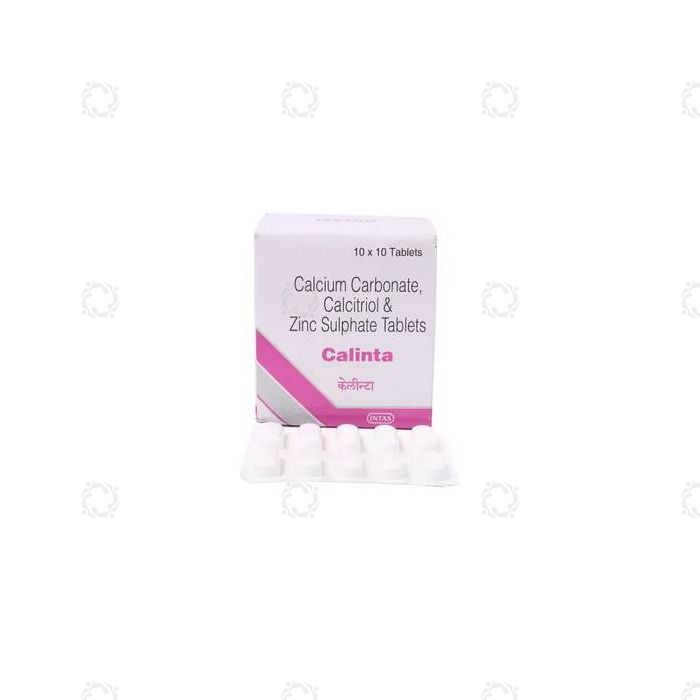
Calinta Tablet - Strip of 10
₹103.16
(Incl. GST)
MRP :
(Incl. GST)
MRP :
In stock
Delivery within 2 to 7 Working Days
Manufacture/Marketer: Intas Pharmaceuticals Ltd.
Door Step Delivery
Quick and Secure
No Hidden Charges
Pay only what's shown
18K Pincodes Served
With Trust & Reliability
Description
Calinta Tablet is a nutritional supplement used to support bone health and manage conditions associated with low calcium levels. It contains three important ingredients: Calcitriol, Calcium Carbonate, and Zinc Sulfate. Calcitriol is the active form of vitamin D that helps the body absorb calcium efficiently, while calcium provides the mineral required for maintaining strong bones and teeth. Zinc contributes to normal bone metabolism and supports several other essential functions in the body. Calinta Tablet may be prescribed or recommended when calcium supplementation is needed, including in conditions associated with calcium deficiency, osteomalacia, osteoporosis, or certain disorders affecting calcium balance. It should be taken according to the advice of a doctor, particularly because calcitriol can increase calcium absorption and inappropriate use may result in excessively high calcium levels. Regular use as prescribed can help maintain adequate calcium levels and support long-term bone health.
Product Details
Uses & Benefits
How Calinta Tablet works
- Calinta Tablet contains Calcitriol, Calcium Carbonate, and Zinc Sulfate, which work together to support calcium balance and bone health.
- Calcitriol is the active form of vitamin D and increases the absorption of calcium from the intestine.
- Calcium Carbonate supplies elemental calcium, which is essential for the formation and maintenance of bones and teeth.
- Zinc Sulfate supplies zinc, a mineral involved in normal bone metabolism and numerous cellular processes.
- By supporting calcium absorption and supplying essential minerals, Calinta Tablet helps maintain normal bone mineralisation and skeletal strength.
How to use Calinta Tablet
- Take Calinta Tablet orally with water exactly as directed by your doctor or healthcare provider.
- It may be taken with or after food according to your doctor's instructions.
- Swallow the tablet whole unless your healthcare provider gives you different instructions.
- The appropriate dose and duration depend on your calcium requirements, medical condition, age, and other individual factors.
- Try to take Calinta Tablet at the same time each day if regular treatment has been prescribed.
- Do not take additional calcium or vitamin D supplements unless recommended by your doctor, as excessive supplementation may increase calcium levels.
- If you miss a dose, take it when you remember unless it is nearly time for your next dose. Do not take two doses together to make up for a missed dose.
- Do not stop prescribed treatment without consulting your doctor.
Lifestyle Advice
- Follow a balanced diet containing adequate calcium, protein, vitamins, and other essential nutrients.
- Include suitable calcium-rich foods such as milk, curd, cheese, leafy vegetables, and other dietary sources.
- Regular weight-bearing physical activity can help support bone strength and overall skeletal health.
- Maintain adequate fluid intake unless your doctor has advised you to restrict fluids.
- Avoid excessive use of calcium-containing supplements or antacids unless recommended by your healthcare provider.
- If you have a history of kidney stones or kidney disease, follow your doctor's advice regarding calcium intake and monitoring.
- Regular medical follow-up may be required during prolonged treatment, particularly because Calinta Tablet contains calcitriol.
Safety Advice
Side Effects
- Common side effects may include constipation, nausea, stomach discomfort, abdominal discomfort, or reduced appetite.
- Excessive calcium levels may cause increased thirst and frequent urination.
- Some people may experience unusual weakness, fatigue, headache, or other symptoms if calcium levels become excessively high.
- Severe or prolonged elevation of calcium levels may affect kidney function and, in serious cases, may cause confusion or abnormal heart rhythm.
- If you develop severe weakness, persistent vomiting, excessive thirst, frequent urination, confusion, or an irregular heartbeat, seek medical attention promptly.
- If you experience persistent or troublesome side effects while taking Calinta Tablet, contact your healthcare provider.
Precautions and Warnings
- Do not take Calinta Tablet if you have a known allergy to any of its ingredients.
- Patients with high calcium levels or high levels of calcium in the urine should use Calinta Tablet only under medical supervision.
- People with kidney disease or a history of kidney stones should inform their doctor before using Calinta Tablet.
- Patients with certain disorders affecting calcium or vitamin D metabolism should use calcitriol-containing products only under appropriate medical supervision.
- Do not take additional calcium, vitamin D, or mineral supplements unless recommended by your doctor.
- Pregnant or breastfeeding women should consult their healthcare provider before using Calinta Tablet.
- Inform your doctor about all medicines and supplements you are taking, as calcium and calcitriol may interact with certain antibiotics, thyroid medicines, diuretics, cardiac medicines, and other treatments.
- Calcium supplements may interfere with the absorption of some medicines. Follow your doctor's or pharmacist's advice regarding the timing of Calinta Tablet and other medicines.
- Long-term treatment may require monitoring of blood calcium levels and kidney function, particularly when calcitriol is included in the treatment.
FAQs
1. What is Calinta Tablet used for?
Calinta Tablet is a nutritional supplement used to provide calcium, calcitriol, and zinc. It may be recommended for calcium deficiency and certain conditions affecting bone health, such as osteomalacia or osteoporosis, when supplementation is considered appropriate.
2. What are the ingredients in Calinta Tablet?
Calinta Tablet contains Calcitriol, Calcium Carbonate, and Zinc Sulfate. Calcitriol helps improve calcium absorption, calcium supports bone and teeth structure, and zinc contributes to normal bone metabolism and other body functions.
3. Can I take Calinta Tablet with other calcium or vitamin D supplements?
Do not take additional calcium or vitamin D supplements without consulting your doctor. Because Calinta Tablet contains calcitriol and calcium, taking additional supplements may increase the risk of excessively high calcium levels.
4. Can Calinta Tablet cause kidney stones?
Excessive calcium intake may increase the risk of kidney stones in susceptible individuals. If you have a history of kidney stones or kidney disease, consult your doctor before taking Calinta Tablet.
5. What should I do if I forget to take Calinta Tablet?
Take the missed dose when you remember unless it is close to your next scheduled dose. Do not take a double dose to compensate for a missed tablet.
6. Is Calinta Tablet safe for long-term use?
Calinta Tablet may be used for an extended period when prescribed and monitored by a doctor. Long-term treatment may require monitoring of calcium levels and kidney function, particularly because it contains calcitriol.
7. Can I take Calinta Tablet during pregnancy or breastfeeding?
Pregnant or breastfeeding women should consult their doctor before taking Calinta Tablet. Your doctor can determine whether the combination and dose are appropriate for your individual needs.
8. Does Calinta Tablet help strengthen bones?
Yes. Calcium is an important structural component of bones, while calcitriol supports calcium absorption and zinc contributes to normal bone metabolism. Together, these nutrients support healthy bone maintenance when used appropriately.
9. Can Calinta Tablet cause side effects?
Calinta Tablet may cause side effects such as constipation, nausea, stomach discomfort, or reduced appetite. Excessive calcium levels may cause increased thirst, frequent urination, weakness, confusion, or abnormal heart rhythm and require medical attention.
Instructions
Directions for Use
Use only as prescribed by your physician.
Storage and Disposal
Please refer to the product label for storage information.
More Information
| SKU | 144010 |
|---|---|
| Country of Manufacture | India |
| Manufacturer Address | Intas Pharmaceuticals Ltd. |
| Return/Buy Back policy | Non-returnable |
| Prescription Required | No |
| Storage | Please refer to the product label for storage information. |
| Seller | Kogland Commerce Pvt Ltd (TN) |
Calinta Tablet is a nutritional supplement used to support bone health and manage conditions associated with low calcium levels. It contains three important ingredients: Calcitriol, Calcium Carbonate, and Zinc Sulfate. Calcitriol is the active form of vitamin D that helps the body absorb calcium efficiently, while calcium provides the mineral required for maintaining strong bones and teeth. Zinc contributes to normal bone metabolism and supports several other essential functions in the body. Calinta Tablet may be prescribed or recommended when calcium supplementation is needed, including in conditions associated with calcium deficiency, osteomalacia, osteoporosis, or certain disorders affecting calcium balance. It should be taken according to the advice of a doctor, particularly because calcitriol can increase calcium absorption and inappropriate use may result in excessively high calcium levels. Regular use as prescribed can help maintain adequate calcium levels and support long-term bone health.
Uses & Benefits
- Provides calcium required for maintaining strong bones and teeth.
- Calcitriol helps improve the absorption and utilisation of calcium in the body.
- May help manage calcium deficiency when supplementation is medically required.
- Supports normal bone mineralisation and skeletal strength.
- May be recommended as part of the management of osteomalacia or osteoporosis when calcium and vitamin D supplementation is appropriate.
- Zinc contributes to normal bone metabolism and supports various cellular functions.
- May help maintain appropriate calcium levels when dietary intake alone is insufficient.
- Supports overall bone health when used along with an appropriate diet and lifestyle.
How Calinta Tablet works
- Calinta Tablet contains Calcitriol, Calcium Carbonate, and Zinc Sulfate, which work together to support calcium balance and bone health.
- Calcitriol is the active form of vitamin D and increases the absorption of calcium from the intestine.
- Calcium Carbonate supplies elemental calcium, which is essential for the formation and maintenance of bones and teeth.
- Zinc Sulfate supplies zinc, a mineral involved in normal bone metabolism and numerous cellular processes.
- By supporting calcium absorption and supplying essential minerals, Calinta Tablet helps maintain normal bone mineralisation and skeletal strength.
How to use Calinta Tablet
- Take Calinta Tablet orally with water exactly as directed by your doctor or healthcare provider.
- It may be taken with or after food according to your doctor's instructions.
- Swallow the tablet whole unless your healthcare provider gives you different instructions.
- The appropriate dose and duration depend on your calcium requirements, medical condition, age, and other individual factors.
- Try to take Calinta Tablet at the same time each day if regular treatment has been prescribed.
- Do not take additional calcium or vitamin D supplements unless recommended by your doctor, as excessive supplementation may increase calcium levels.
- If you miss a dose, take it when you remember unless it is nearly time for your next dose. Do not take two doses together to make up for a missed dose.
- Do not stop prescribed treatment without consulting your doctor.
Lifestyle Advice
- Follow a balanced diet containing adequate calcium, protein, vitamins, and other essential nutrients.
- Include suitable calcium-rich foods such as milk, curd, cheese, leafy vegetables, and other dietary sources.
- Regular weight-bearing physical activity can help support bone strength and overall skeletal health.
- Maintain adequate fluid intake unless your doctor has advised you to restrict fluids.
- Avoid excessive use of calcium-containing supplements or antacids unless recommended by your healthcare provider.
- If you have a history of kidney stones or kidney disease, follow your doctor's advice regarding calcium intake and monitoring.
- Regular medical follow-up may be required during prolonged treatment, particularly because Calinta Tablet contains calcitriol.
Side Effects
- Common side effects may include constipation, nausea, stomach discomfort, abdominal discomfort, or reduced appetite.
- Excessive calcium levels may cause increased thirst and frequent urination.
- Some people may experience unusual weakness, fatigue, headache, or other symptoms if calcium levels become excessively high.
- Severe or prolonged elevation of calcium levels may affect kidney function and, in serious cases, may cause confusion or abnormal heart rhythm.
- If you develop severe weakness, persistent vomiting, excessive thirst, frequent urination, confusion, or an irregular heartbeat, seek medical attention promptly.
- If you experience persistent or troublesome side effects while taking Calinta Tablet, contact your healthcare provider.
Precautions and Warnings
- Do not take Calinta Tablet if you have a known allergy to any of its ingredients.
- Patients with high calcium levels or high levels of calcium in the urine should use Calinta Tablet only under medical supervision.
- People with kidney disease or a history of kidney stones should inform their doctor before using Calinta Tablet.
- Patients with certain disorders affecting calcium or vitamin D metabolism should use calcitriol-containing products only under appropriate medical supervision.
- Do not take additional calcium, vitamin D, or mineral supplements unless recommended by your doctor.
- Pregnant or breastfeeding women should consult their healthcare provider before using Calinta Tablet.
- Inform your doctor about all medicines and supplements you are taking, as calcium and calcitriol may interact with certain antibiotics, thyroid medicines, diuretics, cardiac medicines, and other treatments.
- Calcium supplements may interfere with the absorption of some medicines. Follow your doctor's or pharmacist's advice regarding the timing of Calinta Tablet and other medicines.
- Long-term treatment may require monitoring of blood calcium levels and kidney function, particularly when calcitriol is included in the treatment.
1. What is Calinta Tablet used for?
Calinta Tablet is a nutritional supplement used to provide calcium, calcitriol, and zinc. It may be recommended for calcium deficiency and certain conditions affecting bone health, such as osteomalacia or osteoporosis, when supplementation is considered appropriate.
2. What are the ingredients in Calinta Tablet?
Calinta Tablet contains Calcitriol, Calcium Carbonate, and Zinc Sulfate. Calcitriol helps improve calcium absorption, calcium supports bone and teeth structure, and zinc contributes to normal bone metabolism and other body functions.
3. Can I take Calinta Tablet with other calcium or vitamin D supplements?
Do not take additional calcium or vitamin D supplements without consulting your doctor. Because Calinta Tablet contains calcitriol and calcium, taking additional supplements may increase the risk of excessively high calcium levels.
4. Can Calinta Tablet cause kidney stones?
Excessive calcium intake may increase the risk of kidney stones in susceptible individuals. If you have a history of kidney stones or kidney disease, consult your doctor before taking Calinta Tablet.
5. What should I do if I forget to take Calinta Tablet?
Take the missed dose when you remember unless it is close to your next scheduled dose. Do not take a double dose to compensate for a missed tablet.
6. Is Calinta Tablet safe for long-term use?
Calinta Tablet may be used for an extended period when prescribed and monitored by a doctor. Long-term treatment may require monitoring of calcium levels and kidney function, particularly because it contains calcitriol.
7. Can I take Calinta Tablet during pregnancy or breastfeeding?
Pregnant or breastfeeding women should consult their doctor before taking Calinta Tablet. Your doctor can determine whether the combination and dose are appropriate for your individual needs.
8. Does Calinta Tablet help strengthen bones?
Yes. Calcium is an important structural component of bones, while calcitriol supports calcium absorption and zinc contributes to normal bone metabolism. Together, these nutrients support healthy bone maintenance when used appropriately.
9. Can Calinta Tablet cause side effects?
Calinta Tablet may cause side effects such as constipation, nausea, stomach discomfort, or reduced appetite. Excessive calcium levels may cause increased thirst, frequent urination, weakness, confusion, or abnormal heart rhythm and require medical attention.
Calinta Tablet is a nutritional supplement used to provide calcium, calcitriol, and zinc. It may be recommended for calcium deficiency and certain conditions affecting bone health, such as osteomalacia or osteoporosis, when supplementation is considered appropriate.
2. What are the ingredients in Calinta Tablet?
Calinta Tablet contains Calcitriol, Calcium Carbonate, and Zinc Sulfate. Calcitriol helps improve calcium absorption, calcium supports bone and teeth structure, and zinc contributes to normal bone metabolism and other body functions.
3. Can I take Calinta Tablet with other calcium or vitamin D supplements?
Do not take additional calcium or vitamin D supplements without consulting your doctor. Because Calinta Tablet contains calcitriol and calcium, taking additional supplements may increase the risk of excessively high calcium levels.
4. Can Calinta Tablet cause kidney stones?
Excessive calcium intake may increase the risk of kidney stones in susceptible individuals. If you have a history of kidney stones or kidney disease, consult your doctor before taking Calinta Tablet.
5. What should I do if I forget to take Calinta Tablet?
Take the missed dose when you remember unless it is close to your next scheduled dose. Do not take a double dose to compensate for a missed tablet.
6. Is Calinta Tablet safe for long-term use?
Calinta Tablet may be used for an extended period when prescribed and monitored by a doctor. Long-term treatment may require monitoring of calcium levels and kidney function, particularly because it contains calcitriol.
7. Can I take Calinta Tablet during pregnancy or breastfeeding?
Pregnant or breastfeeding women should consult their doctor before taking Calinta Tablet. Your doctor can determine whether the combination and dose are appropriate for your individual needs.
8. Does Calinta Tablet help strengthen bones?
Yes. Calcium is an important structural component of bones, while calcitriol supports calcium absorption and zinc contributes to normal bone metabolism. Together, these nutrients support healthy bone maintenance when used appropriately.
9. Can Calinta Tablet cause side effects?
Calinta Tablet may cause side effects such as constipation, nausea, stomach discomfort, or reduced appetite. Excessive calcium levels may cause increased thirst, frequent urination, weakness, confusion, or abnormal heart rhythm and require medical attention.
Directions for Use
Use only as prescribed by your physician.
Storage and Disposal
Please refer to the product label for storage information.
| SKU | 144010 |
|---|---|
| Country of Manufacture | India |
| Manufacturer Address | Intas Pharmaceuticals Ltd. |
| Return/Buy Back policy | Non-returnable |
| Prescription Required | No |
| Storage | Please refer to the product label for storage information. |
| Seller | Kogland Commerce Pvt Ltd (TN) |
Customer Reviews
No reviews yet
Be the first to share your thoughts. Honest feedback helps other shoppers and us serve you better.
Write Your Own Review
Only registered users can write reviews. Please Sign in or create an account