


- Provides relief from itching associated with allergic reactions.
- Effective in treating skin conditions such as eczema and dermatitis.
- Helps reduce inflammation and redness in affected areas.
- Soothes irritated skin, promoting comfort and healing.
- Can be used for short-term management of acute skin irritations.
- May assist in alleviating symptoms of anxiety when used as directed.
- Non-invasive treatment option for patients preferring topical therapies.
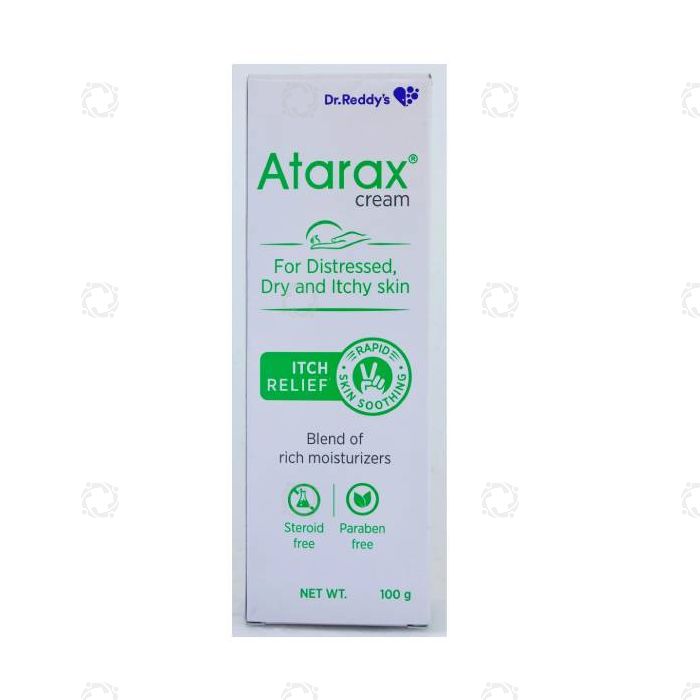
Atarax Cream - 100g
₹420.66
(Incl. GST)
MRP :
(Incl. GST)
MRP :
In stock
Delivery within 2 to 7 Working Days
Manufacture/Marketer: Dr. Reddy's Laboratories Ltd
Door Step Delivery
Quick and Secure
No Hidden Charges
Pay only what's shown
18K Pincodes Served
With Trust & Reliability
Description
Atarax Cream is a topical formulation that contains the active ingredient Hydroxyzine, which is an antihistamine known for its sedative properties. This cream is primarily used to alleviate itching and discomfort associated with various skin conditions, including allergic reactions, eczema, and dermatitis. The composition of Atarax Cream includes Hydroxyzine as its main component, which works by blocking the action of histamine, a substance in the body that causes allergic symptoms. The cream is designed for external use only and is applied directly to the affected area of the skin. Its soothing properties help to reduce inflammation and provide relief from itching, making it an effective choice for patients suffering from skin irritations. Atarax Cream is often recommended by healthcare professionals due to its efficacy and safety profile. It is important to follow the prescribed dosage and application instructions to achieve optimal results while minimizing potential side effects. The cream is typically well-tolerated, but as with any medication, it is essential to be aware of individual sensitivities and contraindications. Overall, Atarax Cream serves as a valuable option for managing skin-related allergic reactions and discomfort, contributing to improved patient quality of life.
Product Details
Uses & Benefits
How Atarax Cream works
- Hydroxyzine in Atarax Cream acts as an antihistamine, blocking histamine receptors.
- This action reduces the body's allergic response, alleviating symptoms like itching.
- The cream's anti-inflammatory properties help soothe irritated skin.
- By decreasing histamine activity, it minimizes redness and swelling.
- Topical application allows for localized treatment without systemic effects.
How to use Atarax Cream
- Apply a thin layer of Atarax Cream to the affected area of the skin.
- Use as directed by your healthcare provider or according to package instructions.
- Typically, the cream can be applied 2-3 times daily.
- Wash hands before and after application to avoid contamination.
- Avoid applying to broken or infected skin unless advised by a doctor.
- Continue use for the duration recommended by your healthcare professional.
- If symptoms persist or worsen, consult your healthcare provider for further evaluation.
Lifestyle Advice
- Maintain good skin hygiene to prevent irritations and infections.
- Avoid known allergens that may trigger skin reactions.
- Incorporate a balanced diet rich in vitamins and minerals to support skin health.
- Stay hydrated by drinking plenty of water throughout the day.
- Limit exposure to harsh chemicals or irritants that can exacerbate skin conditions.
- Practice stress-reduction techniques, as stress can worsen skin issues.
Safety Advice
Side Effects
- Common side effects may include mild burning or stinging at the application site.
- Some users may experience dryness or peeling of the skin.
- Serious side effects are rare but can include severe allergic reactions such as rash, itching, or swelling.
- If you experience difficulty breathing or swelling of the face/lips/tongue, seek immediate medical attention.
- Monitor for signs of infection if the cream is applied to broken skin.
Precautions and Warnings
- Avoid use if you are allergic to Hydroxyzine or any other ingredients in Atarax Cream.
- Consult your doctor if you have a history of liver or kidney disease before using this product.
- Avoid alcohol consumption while using Atarax Cream as it may increase drowsiness.
- Use caution when driving or operating machinery until you know how Atarax Cream affects you.
- Pregnant or breastfeeding women should seek medical advice before using this cream.
FAQs
1. Is Atarax Cream safe for children?
Atarax Cream can be used in children under medical supervision; consult a pediatrician for guidance.
2. Can I use Atarax Cream during pregnancy?
Consult your healthcare provider before using Atarax Cream if you are pregnant or planning to become pregnant.
3. How should I store Atarax Cream?
Store Atarax Cream at room temperature away from direct sunlight and moisture.
4. What should I do if I miss a dose?
If you miss an application, apply it as soon as you remember unless it's close to the next dose.
5. Are there any interactions with other medications?
Inform your doctor about all medications you are taking to avoid potential interactions.
6. Can I use Atarax Cream with other topical treatments?
Consult your healthcare provider before combining Atarax Cream with other topical medications.
7. What should I do if I experience side effects?
If you notice any unusual side effects, contact your healthcare provider immediately.
Atarax Cream can be used in children under medical supervision; consult a pediatrician for guidance.
2. Can I use Atarax Cream during pregnancy?
Consult your healthcare provider before using Atarax Cream if you are pregnant or planning to become pregnant.
3. How should I store Atarax Cream?
Store Atarax Cream at room temperature away from direct sunlight and moisture.
4. What should I do if I miss a dose?
If you miss an application, apply it as soon as you remember unless it's close to the next dose.
5. Are there any interactions with other medications?
Inform your doctor about all medications you are taking to avoid potential interactions.
6. Can I use Atarax Cream with other topical treatments?
Consult your healthcare provider before combining Atarax Cream with other topical medications.
7. What should I do if I experience side effects?
If you notice any unusual side effects, contact your healthcare provider immediately.
Instructions
Directions for Use
Use only as prescribed by your physician.
Storage and Disposal
Please refer to the product label for storage information.
More Information
| SKU | 267066 |
|---|---|
| Country of Manufacture | India |
| Manufacturer Address | Dr. Reddy's Laboratories Ltd |
| Return/Buy Back policy | Non-returnable |
| Prescription Required | No |
| Storage | Please refer to the product label for storage information. |
| Seller | Kogland Commerce Pvt Ltd (TN) |
Atarax Cream is a topical formulation that contains the active ingredient Hydroxyzine, which is an antihistamine known for its sedative properties. This cream is primarily used to alleviate itching and discomfort associated with various skin conditions, including allergic reactions, eczema, and dermatitis. The composition of Atarax Cream includes Hydroxyzine as its main component, which works by blocking the action of histamine, a substance in the body that causes allergic symptoms. The cream is designed for external use only and is applied directly to the affected area of the skin. Its soothing properties help to reduce inflammation and provide relief from itching, making it an effective choice for patients suffering from skin irritations. Atarax Cream is often recommended by healthcare professionals due to its efficacy and safety profile. It is important to follow the prescribed dosage and application instructions to achieve optimal results while minimizing potential side effects. The cream is typically well-tolerated, but as with any medication, it is essential to be aware of individual sensitivities and contraindications. Overall, Atarax Cream serves as a valuable option for managing skin-related allergic reactions and discomfort, contributing to improved patient quality of life.
Uses & Benefits
- Provides relief from itching associated with allergic reactions.
- Effective in treating skin conditions such as eczema and dermatitis.
- Helps reduce inflammation and redness in affected areas.
- Soothes irritated skin, promoting comfort and healing.
- Can be used for short-term management of acute skin irritations.
- May assist in alleviating symptoms of anxiety when used as directed.
- Non-invasive treatment option for patients preferring topical therapies.
How Atarax Cream works
- Hydroxyzine in Atarax Cream acts as an antihistamine, blocking histamine receptors.
- This action reduces the body's allergic response, alleviating symptoms like itching.
- The cream's anti-inflammatory properties help soothe irritated skin.
- By decreasing histamine activity, it minimizes redness and swelling.
- Topical application allows for localized treatment without systemic effects.
How to use Atarax Cream
- Apply a thin layer of Atarax Cream to the affected area of the skin.
- Use as directed by your healthcare provider or according to package instructions.
- Typically, the cream can be applied 2-3 times daily.
- Wash hands before and after application to avoid contamination.
- Avoid applying to broken or infected skin unless advised by a doctor.
- Continue use for the duration recommended by your healthcare professional.
- If symptoms persist or worsen, consult your healthcare provider for further evaluation.
Lifestyle Advice
- Maintain good skin hygiene to prevent irritations and infections.
- Avoid known allergens that may trigger skin reactions.
- Incorporate a balanced diet rich in vitamins and minerals to support skin health.
- Stay hydrated by drinking plenty of water throughout the day.
- Limit exposure to harsh chemicals or irritants that can exacerbate skin conditions.
- Practice stress-reduction techniques, as stress can worsen skin issues.
Side Effects
- Common side effects may include mild burning or stinging at the application site.
- Some users may experience dryness or peeling of the skin.
- Serious side effects are rare but can include severe allergic reactions such as rash, itching, or swelling.
- If you experience difficulty breathing or swelling of the face/lips/tongue, seek immediate medical attention.
- Monitor for signs of infection if the cream is applied to broken skin.
Precautions and Warnings
- Avoid use if you are allergic to Hydroxyzine or any other ingredients in Atarax Cream.
- Consult your doctor if you have a history of liver or kidney disease before using this product.
- Avoid alcohol consumption while using Atarax Cream as it may increase drowsiness.
- Use caution when driving or operating machinery until you know how Atarax Cream affects you.
- Pregnant or breastfeeding women should seek medical advice before using this cream.
1. Is Atarax Cream safe for children?
Atarax Cream can be used in children under medical supervision; consult a pediatrician for guidance.
2. Can I use Atarax Cream during pregnancy?
Consult your healthcare provider before using Atarax Cream if you are pregnant or planning to become pregnant.
3. How should I store Atarax Cream?
Store Atarax Cream at room temperature away from direct sunlight and moisture.
4. What should I do if I miss a dose?
If you miss an application, apply it as soon as you remember unless it's close to the next dose.
5. Are there any interactions with other medications?
Inform your doctor about all medications you are taking to avoid potential interactions.
6. Can I use Atarax Cream with other topical treatments?
Consult your healthcare provider before combining Atarax Cream with other topical medications.
7. What should I do if I experience side effects?
If you notice any unusual side effects, contact your healthcare provider immediately.
Atarax Cream can be used in children under medical supervision; consult a pediatrician for guidance.
2. Can I use Atarax Cream during pregnancy?
Consult your healthcare provider before using Atarax Cream if you are pregnant or planning to become pregnant.
3. How should I store Atarax Cream?
Store Atarax Cream at room temperature away from direct sunlight and moisture.
4. What should I do if I miss a dose?
If you miss an application, apply it as soon as you remember unless it's close to the next dose.
5. Are there any interactions with other medications?
Inform your doctor about all medications you are taking to avoid potential interactions.
6. Can I use Atarax Cream with other topical treatments?
Consult your healthcare provider before combining Atarax Cream with other topical medications.
7. What should I do if I experience side effects?
If you notice any unusual side effects, contact your healthcare provider immediately.
Directions for Use
Use only as prescribed by your physician.
Storage and Disposal
Please refer to the product label for storage information.
| SKU | 267066 |
|---|---|
| Country of Manufacture | India |
| Manufacturer Address | Dr. Reddy's Laboratories Ltd |
| Return/Buy Back policy | Non-returnable |
| Prescription Required | No |
| Storage | Please refer to the product label for storage information. |
| Seller | Kogland Commerce Pvt Ltd (TN) |
Customer Reviews
No reviews yet
Be the first to share your thoughts. Honest feedback helps other shoppers and us serve you better.
Write Your Own Review
Only registered users can write reviews. Please Sign in or create an account