



- Helps manage symptoms of Parkinson’s disease such as tremors, muscle stiffness, and slowed movement.
- May improve mobility and motor control in suitable patients with Parkinsonian symptoms.
- May help reduce certain movement disorders caused by some medicines.
- Can help make everyday movements and physical activities easier for some people with Parkinson’s disease.
- May help improve coordination and reduce difficulties associated with impaired motor function.
- Can be used as part of a broader treatment plan that may include other Parkinson’s medicines, physiotherapy, and exercise.
- Regular use as prescribed may help maintain more consistent control of movement-related symptoms.
- May provide symptomatic relief without curing the underlying Parkinson’s disease.
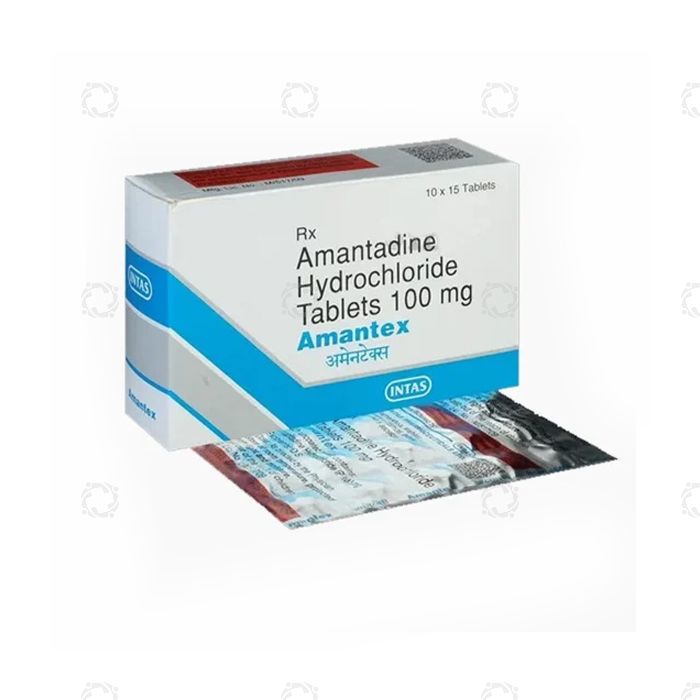
Amantex 100 mg Tablet - Strip of 15
Prescription Required
Compositions : Amantadine 100mg
₹219.84
(Incl. GST)
MRP :
(Incl. GST)
MRP :
In stock
Delivery within 2 to 7 Working Days
Manufacture/Marketer: Intas Pharmaceuticals Ltd.
Door Step Delivery
Quick and Secure
No Hidden Charges
Pay only what's shown
18K Pincodes Served
With Trust & Reliability
Description
Amantex 100 mg Tablet is a prescription medicine containing Amantadine Hydrochloride 100 mg. It is primarily used to manage symptoms of Parkinson’s disease, including tremors, muscle stiffness, slowness of movement, and difficulty with coordination. It may also be prescribed for certain drug-induced movement disorders. Amantadine works by influencing dopamine activity and other chemical signalling pathways in the brain, which can help improve motor function and movement in suitable patients. Amantex 100 mg Tablet should be used strictly according to the dosage and duration prescribed by a doctor, particularly because the dose may need adjustment based on factors such as age and kidney function.
Product Details
Uses & Benefits
How Amantex 100 mg Tablet works
- Amantex 100 mg Tablet contains Amantadine, which acts on chemical signalling pathways involved in movement control in the brain.
- Amantadine can enhance dopamine availability or activity, which may help improve symptoms such as rigidity, tremor, and slowed movement.
- It also affects glutamate signalling through N-methyl-D-aspartate (NMDA) receptors, which may contribute to its antiparkinsonian effects.
- By influencing these neurotransmitter systems, Amantex 100 mg Tablet can help improve motor function in appropriate patients.
- Amantadine also has antiviral activity against influenza A, but it is not routinely recommended for influenza treatment because many circulating influenza A viruses are resistant to it.
How to use Amantex 100 mg Tablet
- Take Amantex 100 mg Tablet orally with a glass of water, exactly as directed by your healthcare provider.
- It can generally be taken with or without food. Taking it with food may help reduce mild stomach discomfort in some people.
- Swallow the tablet whole and do not crush or chew it unless your doctor or pharmacist specifically advises otherwise.
- The appropriate dose and duration depend on your condition, response to treatment, age, kidney function, and other medicines you may be taking.
- Try to take Amantex 100 mg Tablet at the same time each day if regular treatment has been prescribed.
- Do not stop taking Amantex 100 mg Tablet suddenly without consulting your doctor, particularly if you have been using it regularly for Parkinson’s disease.
- If you miss a dose, take it when you remember unless it is nearly time for your next dose. Do not take two doses together to make up for a missed dose.
Lifestyle Advice
- Regular gentle exercise, stretching, walking, or physiotherapy may support mobility, balance, and flexibility in people with Parkinson’s disease.
- Maintain adequate fluid intake unless your doctor has advised you to restrict fluids.
- Follow a balanced diet containing vegetables, fruits, whole grains, and adequate nutrients to support overall health.
- Rise slowly from sitting or lying positions because Amantex 100 mg Tablet may cause dizziness or a drop in blood pressure in some people.
- Avoid driving or operating machinery until you know how Amantex 100 mg Tablet affects your alertness, vision, coordination, and ability to react.
- Limit or avoid alcohol because it may worsen dizziness, confusion, drowsiness, or other effects on the central nervous system.
- Keep regular medical appointments so that your symptoms, kidney function, and response to treatment can be monitored.
Safety Advice
Side Effects
- Common side effects of Amantex 100 mg Tablet may include nausea, dry mouth, constipation, dizziness, tiredness, headache, blurred vision, and sleep disturbances.
- Some patients may experience ankle or leg swelling, especially during prolonged treatment or when other risk factors are present.
- Confusion, hallucinations, balance problems, or unusual behaviour may occur, particularly in older adults or patients receiving higher doses.
- Amantex 100 mg Tablet may cause dizziness or postural hypotension, which can increase the risk of falls.
- Serious symptoms such as fainting, severe confusion, unusual heartbeat, significant swelling, or severe mental changes require prompt medical attention.
- If you experience persistent or troublesome side effects, contact your healthcare provider rather than changing the dose yourself.
Precautions and Warnings
- Do not use Amantex 100 mg Tablet if you have a known allergy to Amantadine or any other ingredient in the formulation.
- Patients with kidney disease should use Amantex 100 mg Tablet cautiously because amantadine is primarily eliminated through the kidneys and dose adjustment may be necessary.
- Older adults may be more sensitive to amantadine and may require closer monitoring for confusion, hallucinations, dizziness, and other adverse effects.
- Tell your doctor if you have a history of seizures, heart disease, low blood pressure, glaucoma, psychiatric illness, or other neurological conditions before starting treatment.
- Patients with a history of heart problems should inform their doctor because amantadine may affect blood pressure and, in some circumstances, heart rhythm.
- Pregnant or breastfeeding women should consult their healthcare provider before using Amantex 100 mg Tablet so that the potential benefits and risks can be assessed.
- Avoid or limit alcohol because it may increase dizziness, confusion, drowsiness, and other effects on the central nervous system.
- Amantex 100 mg Tablet may affect alertness, vision, balance, or coordination. Avoid driving or operating machinery if these effects occur.
- Inform your doctor about all prescription medicines, over-the-counter medicines, supplements, and herbal products you are taking because amantadine may interact with certain medicines, including some anticholinergic medicines and other drugs affecting the nervous system.
- Do not stop long-term treatment suddenly without medical advice, as abrupt withdrawal may cause worsening Parkinsonian symptoms or other serious reactions.
FAQs
1. What is Amantex 100 mg Tablet used for?
Amantex 100 mg Tablet is primarily used to manage symptoms of Parkinson’s disease, including tremors, muscle stiffness, and slowed movement. It may also be prescribed for certain drug-induced movement disorders.
2. What is the active ingredient in Amantex 100 mg Tablet?
Amantex 100 mg Tablet contains Amantadine Hydrochloride 100 mg. Amantadine acts on neurotransmitter systems in the brain involved in movement control.
3. How does Amantex 100 mg Tablet work?
Amantex 100 mg Tablet works by influencing dopamine activity and glutamate signalling in the brain. These effects can help improve certain motor symptoms associated with Parkinson’s disease.
4. Can Amantex 100 mg Tablet cause dizziness?
Yes. Dizziness can occur with Amantex 100 mg Tablet, and some patients may experience a drop in blood pressure when standing. Rise slowly and avoid driving if you feel dizzy or less alert.
5. Can I stop taking Amantex 100 mg Tablet when I feel better?
No. Do not stop Amantex 100 mg Tablet or reduce the dose without consulting your doctor. Sudden discontinuation may cause a significant worsening of Parkinsonian symptoms and, in some cases, other serious reactions.
6. Is Amantex 100 mg Tablet safe for people with kidney disease?
Amantadine is substantially eliminated through the kidneys, so people with kidney impairment may require a lower dose or a different dosing schedule. Use Amantex 100 mg Tablet only under appropriate medical supervision if you have kidney disease.
7. Can Amantex 100 mg Tablet be taken with food?
Yes. Amantex 100 mg Tablet can generally be taken with or without food. Taking it with food may help reduce mild stomach discomfort in some patients.
8. Does Amantex 100 mg Tablet cause sleep problems?
Yes. Sleep disturbances, including difficulty sleeping, can occur. Some people may also experience excessive sleepiness. Tell your doctor if sleep-related effects become persistent or interfere with daily activities.
Instructions
Directions for Use
Use only as prescribed by your physician.
Storage and Disposal
Please refer to the product label for storage information.
More Information
| SKU | 151098 |
|---|---|
| Country of Manufacture | India |
| Manufacturer Address | Intas Pharmaceuticals Ltd. |
| Return/Buy Back policy | Non-returnable |
| Prescription Required | Yes |
| Storage | Please refer to the product label for storage information. |
| Seller | Kogland Commerce Pvt Ltd (TN) |
Amantex 100 mg Tablet is a prescription medicine containing Amantadine Hydrochloride 100 mg. It is primarily used to manage symptoms of Parkinson’s disease, including tremors, muscle stiffness, slowness of movement, and difficulty with coordination. It may also be prescribed for certain drug-induced movement disorders. Amantadine works by influencing dopamine activity and other chemical signalling pathways in the brain, which can help improve motor function and movement in suitable patients. Amantex 100 mg Tablet should be used strictly according to the dosage and duration prescribed by a doctor, particularly because the dose may need adjustment based on factors such as age and kidney function.
Uses & Benefits
- Helps manage symptoms of Parkinson’s disease such as tremors, muscle stiffness, and slowed movement.
- May improve mobility and motor control in suitable patients with Parkinsonian symptoms.
- May help reduce certain movement disorders caused by some medicines.
- Can help make everyday movements and physical activities easier for some people with Parkinson’s disease.
- May help improve coordination and reduce difficulties associated with impaired motor function.
- Can be used as part of a broader treatment plan that may include other Parkinson’s medicines, physiotherapy, and exercise.
- Regular use as prescribed may help maintain more consistent control of movement-related symptoms.
- May provide symptomatic relief without curing the underlying Parkinson’s disease.
How Amantex 100 mg Tablet works
- Amantex 100 mg Tablet contains Amantadine, which acts on chemical signalling pathways involved in movement control in the brain.
- Amantadine can enhance dopamine availability or activity, which may help improve symptoms such as rigidity, tremor, and slowed movement.
- It also affects glutamate signalling through N-methyl-D-aspartate (NMDA) receptors, which may contribute to its antiparkinsonian effects.
- By influencing these neurotransmitter systems, Amantex 100 mg Tablet can help improve motor function in appropriate patients.
- Amantadine also has antiviral activity against influenza A, but it is not routinely recommended for influenza treatment because many circulating influenza A viruses are resistant to it.
How to use Amantex 100 mg Tablet
- Take Amantex 100 mg Tablet orally with a glass of water, exactly as directed by your healthcare provider.
- It can generally be taken with or without food. Taking it with food may help reduce mild stomach discomfort in some people.
- Swallow the tablet whole and do not crush or chew it unless your doctor or pharmacist specifically advises otherwise.
- The appropriate dose and duration depend on your condition, response to treatment, age, kidney function, and other medicines you may be taking.
- Try to take Amantex 100 mg Tablet at the same time each day if regular treatment has been prescribed.
- Do not stop taking Amantex 100 mg Tablet suddenly without consulting your doctor, particularly if you have been using it regularly for Parkinson’s disease.
- If you miss a dose, take it when you remember unless it is nearly time for your next dose. Do not take two doses together to make up for a missed dose.
Lifestyle Advice
- Regular gentle exercise, stretching, walking, or physiotherapy may support mobility, balance, and flexibility in people with Parkinson’s disease.
- Maintain adequate fluid intake unless your doctor has advised you to restrict fluids.
- Follow a balanced diet containing vegetables, fruits, whole grains, and adequate nutrients to support overall health.
- Rise slowly from sitting or lying positions because Amantex 100 mg Tablet may cause dizziness or a drop in blood pressure in some people.
- Avoid driving or operating machinery until you know how Amantex 100 mg Tablet affects your alertness, vision, coordination, and ability to react.
- Limit or avoid alcohol because it may worsen dizziness, confusion, drowsiness, or other effects on the central nervous system.
- Keep regular medical appointments so that your symptoms, kidney function, and response to treatment can be monitored.
Side Effects
- Common side effects of Amantex 100 mg Tablet may include nausea, dry mouth, constipation, dizziness, tiredness, headache, blurred vision, and sleep disturbances.
- Some patients may experience ankle or leg swelling, especially during prolonged treatment or when other risk factors are present.
- Confusion, hallucinations, balance problems, or unusual behaviour may occur, particularly in older adults or patients receiving higher doses.
- Amantex 100 mg Tablet may cause dizziness or postural hypotension, which can increase the risk of falls.
- Serious symptoms such as fainting, severe confusion, unusual heartbeat, significant swelling, or severe mental changes require prompt medical attention.
- If you experience persistent or troublesome side effects, contact your healthcare provider rather than changing the dose yourself.
Precautions and Warnings
- Do not use Amantex 100 mg Tablet if you have a known allergy to Amantadine or any other ingredient in the formulation.
- Patients with kidney disease should use Amantex 100 mg Tablet cautiously because amantadine is primarily eliminated through the kidneys and dose adjustment may be necessary.
- Older adults may be more sensitive to amantadine and may require closer monitoring for confusion, hallucinations, dizziness, and other adverse effects.
- Tell your doctor if you have a history of seizures, heart disease, low blood pressure, glaucoma, psychiatric illness, or other neurological conditions before starting treatment.
- Patients with a history of heart problems should inform their doctor because amantadine may affect blood pressure and, in some circumstances, heart rhythm.
- Pregnant or breastfeeding women should consult their healthcare provider before using Amantex 100 mg Tablet so that the potential benefits and risks can be assessed.
- Avoid or limit alcohol because it may increase dizziness, confusion, drowsiness, and other effects on the central nervous system.
- Amantex 100 mg Tablet may affect alertness, vision, balance, or coordination. Avoid driving or operating machinery if these effects occur.
- Inform your doctor about all prescription medicines, over-the-counter medicines, supplements, and herbal products you are taking because amantadine may interact with certain medicines, including some anticholinergic medicines and other drugs affecting the nervous system.
- Do not stop long-term treatment suddenly without medical advice, as abrupt withdrawal may cause worsening Parkinsonian symptoms or other serious reactions.
1. What is Amantex 100 mg Tablet used for?
Amantex 100 mg Tablet is primarily used to manage symptoms of Parkinson’s disease, including tremors, muscle stiffness, and slowed movement. It may also be prescribed for certain drug-induced movement disorders.
2. What is the active ingredient in Amantex 100 mg Tablet?
Amantex 100 mg Tablet contains Amantadine Hydrochloride 100 mg. Amantadine acts on neurotransmitter systems in the brain involved in movement control.
3. How does Amantex 100 mg Tablet work?
Amantex 100 mg Tablet works by influencing dopamine activity and glutamate signalling in the brain. These effects can help improve certain motor symptoms associated with Parkinson’s disease.
4. Can Amantex 100 mg Tablet cause dizziness?
Yes. Dizziness can occur with Amantex 100 mg Tablet, and some patients may experience a drop in blood pressure when standing. Rise slowly and avoid driving if you feel dizzy or less alert.
5. Can I stop taking Amantex 100 mg Tablet when I feel better?
No. Do not stop Amantex 100 mg Tablet or reduce the dose without consulting your doctor. Sudden discontinuation may cause a significant worsening of Parkinsonian symptoms and, in some cases, other serious reactions.
6. Is Amantex 100 mg Tablet safe for people with kidney disease?
Amantadine is substantially eliminated through the kidneys, so people with kidney impairment may require a lower dose or a different dosing schedule. Use Amantex 100 mg Tablet only under appropriate medical supervision if you have kidney disease.
7. Can Amantex 100 mg Tablet be taken with food?
Yes. Amantex 100 mg Tablet can generally be taken with or without food. Taking it with food may help reduce mild stomach discomfort in some patients.
8. Does Amantex 100 mg Tablet cause sleep problems?
Yes. Sleep disturbances, including difficulty sleeping, can occur. Some people may also experience excessive sleepiness. Tell your doctor if sleep-related effects become persistent or interfere with daily activities.
Amantex 100 mg Tablet is primarily used to manage symptoms of Parkinson’s disease, including tremors, muscle stiffness, and slowed movement. It may also be prescribed for certain drug-induced movement disorders.
2. What is the active ingredient in Amantex 100 mg Tablet?
Amantex 100 mg Tablet contains Amantadine Hydrochloride 100 mg. Amantadine acts on neurotransmitter systems in the brain involved in movement control.
3. How does Amantex 100 mg Tablet work?
Amantex 100 mg Tablet works by influencing dopamine activity and glutamate signalling in the brain. These effects can help improve certain motor symptoms associated with Parkinson’s disease.
4. Can Amantex 100 mg Tablet cause dizziness?
Yes. Dizziness can occur with Amantex 100 mg Tablet, and some patients may experience a drop in blood pressure when standing. Rise slowly and avoid driving if you feel dizzy or less alert.
5. Can I stop taking Amantex 100 mg Tablet when I feel better?
No. Do not stop Amantex 100 mg Tablet or reduce the dose without consulting your doctor. Sudden discontinuation may cause a significant worsening of Parkinsonian symptoms and, in some cases, other serious reactions.
6. Is Amantex 100 mg Tablet safe for people with kidney disease?
Amantadine is substantially eliminated through the kidneys, so people with kidney impairment may require a lower dose or a different dosing schedule. Use Amantex 100 mg Tablet only under appropriate medical supervision if you have kidney disease.
7. Can Amantex 100 mg Tablet be taken with food?
Yes. Amantex 100 mg Tablet can generally be taken with or without food. Taking it with food may help reduce mild stomach discomfort in some patients.
8. Does Amantex 100 mg Tablet cause sleep problems?
Yes. Sleep disturbances, including difficulty sleeping, can occur. Some people may also experience excessive sleepiness. Tell your doctor if sleep-related effects become persistent or interfere with daily activities.
Directions for Use
Use only as prescribed by your physician.
Storage and Disposal
Please refer to the product label for storage information.
| SKU | 151098 |
|---|---|
| Country of Manufacture | India |
| Manufacturer Address | Intas Pharmaceuticals Ltd. |
| Return/Buy Back policy | Non-returnable |
| Prescription Required | Yes |
| Storage | Please refer to the product label for storage information. |
| Seller | Kogland Commerce Pvt Ltd (TN) |
Door Step Delivery
Quick and Secure
No Hidden Charges
Pay only what's shown
18K Pincodes Served
With Trust & Reliability
Customer Reviews
No reviews yet
Be the first to share your thoughts. Honest feedback helps other shoppers and us serve you better.
Write Your Own Review
Only registered users can write reviews. Please Sign in or create an account