



- Prevention of organ rejection in kidney transplant recipients.
- Helps maintain stable kidney function post-transplant.
- Reduces the risk of acute rejection episodes.
- Can be used in combination with other immunosuppressants for enhanced efficacy.
- Once-daily dosing improves adherence to treatment regimens.
- May be beneficial in patients with a history of transplant rejection.
- Supports long-term transplant survival rates.
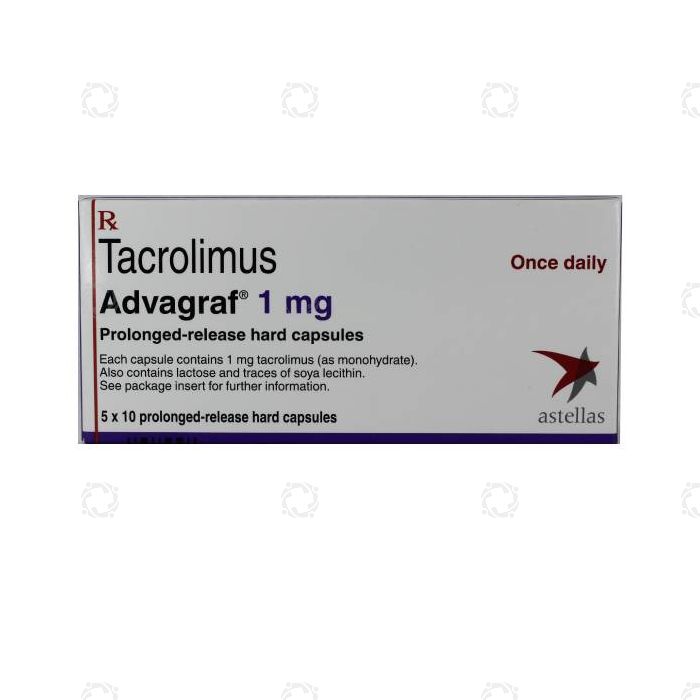
Advagraf 1 mg Capsule - Strip of 10
Prescription Required
Compositions : Tacrolimus 1mg
₹703.13
(Incl. GST)
MRP :
(Incl. GST)
MRP :
Out of stock
Delivery within 2 to 7 Working Days
Manufacture/Marketer: Astellas Pharma Inc
Door Step Delivery
Quick and Secure
No Hidden Charges
Pay only what's shown
18K Pincodes Served
With Trust & Reliability
Description
Advagraf 1 mg Capsule is an immunosuppressive medication primarily used to prevent organ rejection in patients who have undergone kidney transplants. The active ingredient in Advagraf is tacrolimus, which belongs to a class of drugs known as calcineurin inhibitors. This medication works by inhibiting the activity of T-lymphocytes, a type of white blood cell that plays a crucial role in the immune response. By suppressing the immune system, Advagraf 1 mg Capsule helps to reduce the risk of the body rejecting the transplanted organ. The formulation of Advagraf is designed for once-daily dosing, which enhances patient compliance and convenience. Each capsule contains 1 mg of tacrolimus, along with excipients that aid in the absorption and effectiveness of the drug. Advagraf is typically prescribed as part of a comprehensive immunosuppressive regimen that may include other medications to ensure optimal transplant outcomes. It is essential for patients to follow their healthcare provider's instructions regarding the use of Advagraf 1 mg Capsule to achieve the best therapeutic results while minimizing potential side effects.
Product Details
Uses & Benefits
How Advagraf 1 mg Capsule works
- Inhibits calcineurin, a protein involved in T-cell activation.
- Reduces the production of interleukin-2 (IL-2), a cytokine critical for T-cell proliferation.
- Suppresses the immune response to foreign tissues, such as transplanted organs.
- Helps maintain immunosuppressive levels in the bloodstream with consistent dosing.
- Contributes to overall transplant success by preventing rejection.
How to use Advagraf 1 mg Capsule
- Take Advagraf 1 mg Capsule orally, preferably at the same time each day.
- Swallow the capsule whole with water; do not crush or chew.
- The typical starting dose is determined by your healthcare provider based on your individual needs.
- Dosage may be adjusted based on blood levels of tacrolimus and clinical response.
- Regular monitoring of kidney function and drug levels is essential during treatment.
- Continue taking Advagraf even if you feel well; do not stop without consulting your doctor.
- If you miss a dose, take it as soon as you remember unless it's close to the time for your next dose; do not double up.
Lifestyle Advice
- Maintain a balanced diet rich in fruits, vegetables, and whole grains to support overall health.
- Avoid grapefruit and grapefruit juice, as they can interact with tacrolimus levels.
- Stay hydrated by drinking plenty of fluids, especially water.
- Engage in regular physical activity as advised by your healthcare provider.
- Avoid exposure to infections by practicing good hygiene and avoiding crowded places.
- Attend all scheduled follow-up appointments for monitoring and adjustments to your treatment plan.
Safety Advice
Side Effects
- Common side effects include headache, nausea, vomiting, diarrhea, and tremors.
- Some patients may experience increased blood pressure or blood sugar levels.
- Serious side effects can include kidney dysfunction, liver problems, or severe allergic reactions.
- If you notice signs of infection such as fever, chills, or persistent sore throat, seek medical attention immediately.
- Report any unusual bleeding or bruising to your healthcare provider promptly.
Precautions and Warnings
- Avoid using Advagraf if you have a known allergy to tacrolimus or any inactive ingredients in the capsule.
- Monitor kidney and liver function regularly while on this medication.
- Use caution when driving or operating machinery until you know how Advagraf affects you.
- Pregnant or breastfeeding women should consult their doctor before using this medication.
- Avoid live vaccines while taking Advagraf due to increased risk of infection.
- Inform your doctor about any other medications you are taking to prevent potential interactions.
FAQs
1. What should I do if I miss a dose of Advagraf 1 mg Capsule?
If you miss a dose, take it as soon as you remember unless it's almost time for your next dose. Do not double up.
2. Can I drink alcohol while taking Advagraf?
It is advisable to limit or avoid alcohol consumption while taking Advagraf, as it may increase the risk of side effects.
3. Is Advagraf safe during pregnancy?
Advagraf should only be used during pregnancy if clearly needed; consult your healthcare provider for guidance.
4. What are common side effects of Advagraf?
Common side effects may include headache, nausea, diarrhea, and tremors. Report any severe or persistent symptoms to your doctor.
5. How should I store Advagraf 1 mg Capsule?
Store Advagraf at room temperature away from moisture and heat, and keep it out of reach of children.
6. Who should avoid using Advagraf?
Patients with known hypersensitivity to tacrolimus or any component of the capsule should avoid using Advagraf.
7. Can Advagraf interact with other medications?
Yes, Advagraf can interact with various medications; inform your healthcare provider about all drugs you are taking.
Instructions
Directions for Use
Use only as prescribed by your physician.
Storage and Disposal
Please refer to the product label for storage information.
More Information
| SKU | E10613 |
|---|---|
| Country of Manufacture | India |
| Manufacturer Address | Astellas Pharma Inc |
| Return/Buy Back policy | Non-returnable |
| Prescription Required | Yes |
| Storage | Please refer to the product label for storage information. |
| Seller | Kogland Commerce Pvt Ltd (TN) |
Advagraf 1 mg Capsule is an immunosuppressive medication primarily used to prevent organ rejection in patients who have undergone kidney transplants. The active ingredient in Advagraf is tacrolimus, which belongs to a class of drugs known as calcineurin inhibitors. This medication works by inhibiting the activity of T-lymphocytes, a type of white blood cell that plays a crucial role in the immune response. By suppressing the immune system, Advagraf 1 mg Capsule helps to reduce the risk of the body rejecting the transplanted organ. The formulation of Advagraf is designed for once-daily dosing, which enhances patient compliance and convenience. Each capsule contains 1 mg of tacrolimus, along with excipients that aid in the absorption and effectiveness of the drug. Advagraf is typically prescribed as part of a comprehensive immunosuppressive regimen that may include other medications to ensure optimal transplant outcomes. It is essential for patients to follow their healthcare provider's instructions regarding the use of Advagraf 1 mg Capsule to achieve the best therapeutic results while minimizing potential side effects.
Uses & Benefits
- Prevention of organ rejection in kidney transplant recipients.
- Helps maintain stable kidney function post-transplant.
- Reduces the risk of acute rejection episodes.
- Can be used in combination with other immunosuppressants for enhanced efficacy.
- Once-daily dosing improves adherence to treatment regimens.
- May be beneficial in patients with a history of transplant rejection.
- Supports long-term transplant survival rates.
How Advagraf 1 mg Capsule works
- Inhibits calcineurin, a protein involved in T-cell activation.
- Reduces the production of interleukin-2 (IL-2), a cytokine critical for T-cell proliferation.
- Suppresses the immune response to foreign tissues, such as transplanted organs.
- Helps maintain immunosuppressive levels in the bloodstream with consistent dosing.
- Contributes to overall transplant success by preventing rejection.
How to use Advagraf 1 mg Capsule
- Take Advagraf 1 mg Capsule orally, preferably at the same time each day.
- Swallow the capsule whole with water; do not crush or chew.
- The typical starting dose is determined by your healthcare provider based on your individual needs.
- Dosage may be adjusted based on blood levels of tacrolimus and clinical response.
- Regular monitoring of kidney function and drug levels is essential during treatment.
- Continue taking Advagraf even if you feel well; do not stop without consulting your doctor.
- If you miss a dose, take it as soon as you remember unless it's close to the time for your next dose; do not double up.
Lifestyle Advice
- Maintain a balanced diet rich in fruits, vegetables, and whole grains to support overall health.
- Avoid grapefruit and grapefruit juice, as they can interact with tacrolimus levels.
- Stay hydrated by drinking plenty of fluids, especially water.
- Engage in regular physical activity as advised by your healthcare provider.
- Avoid exposure to infections by practicing good hygiene and avoiding crowded places.
- Attend all scheduled follow-up appointments for monitoring and adjustments to your treatment plan.
Side Effects
- Common side effects include headache, nausea, vomiting, diarrhea, and tremors.
- Some patients may experience increased blood pressure or blood sugar levels.
- Serious side effects can include kidney dysfunction, liver problems, or severe allergic reactions.
- If you notice signs of infection such as fever, chills, or persistent sore throat, seek medical attention immediately.
- Report any unusual bleeding or bruising to your healthcare provider promptly.
Precautions and Warnings
- Avoid using Advagraf if you have a known allergy to tacrolimus or any inactive ingredients in the capsule.
- Monitor kidney and liver function regularly while on this medication.
- Use caution when driving or operating machinery until you know how Advagraf affects you.
- Pregnant or breastfeeding women should consult their doctor before using this medication.
- Avoid live vaccines while taking Advagraf due to increased risk of infection.
- Inform your doctor about any other medications you are taking to prevent potential interactions.
1. What should I do if I miss a dose of Advagraf 1 mg Capsule?
If you miss a dose, take it as soon as you remember unless it's almost time for your next dose. Do not double up.
2. Can I drink alcohol while taking Advagraf?
It is advisable to limit or avoid alcohol consumption while taking Advagraf, as it may increase the risk of side effects.
3. Is Advagraf safe during pregnancy?
Advagraf should only be used during pregnancy if clearly needed; consult your healthcare provider for guidance.
4. What are common side effects of Advagraf?
Common side effects may include headache, nausea, diarrhea, and tremors. Report any severe or persistent symptoms to your doctor.
5. How should I store Advagraf 1 mg Capsule?
Store Advagraf at room temperature away from moisture and heat, and keep it out of reach of children.
6. Who should avoid using Advagraf?
Patients with known hypersensitivity to tacrolimus or any component of the capsule should avoid using Advagraf.
7. Can Advagraf interact with other medications?
Yes, Advagraf can interact with various medications; inform your healthcare provider about all drugs you are taking.
If you miss a dose, take it as soon as you remember unless it's almost time for your next dose. Do not double up.
2. Can I drink alcohol while taking Advagraf?
It is advisable to limit or avoid alcohol consumption while taking Advagraf, as it may increase the risk of side effects.
3. Is Advagraf safe during pregnancy?
Advagraf should only be used during pregnancy if clearly needed; consult your healthcare provider for guidance.
4. What are common side effects of Advagraf?
Common side effects may include headache, nausea, diarrhea, and tremors. Report any severe or persistent symptoms to your doctor.
5. How should I store Advagraf 1 mg Capsule?
Store Advagraf at room temperature away from moisture and heat, and keep it out of reach of children.
6. Who should avoid using Advagraf?
Patients with known hypersensitivity to tacrolimus or any component of the capsule should avoid using Advagraf.
7. Can Advagraf interact with other medications?
Yes, Advagraf can interact with various medications; inform your healthcare provider about all drugs you are taking.
Directions for Use
Use only as prescribed by your physician.
Storage and Disposal
Please refer to the product label for storage information.
| SKU | E10613 |
|---|---|
| Country of Manufacture | India |
| Manufacturer Address | Astellas Pharma Inc |
| Return/Buy Back policy | Non-returnable |
| Prescription Required | Yes |
| Storage | Please refer to the product label for storage information. |
| Seller | Kogland Commerce Pvt Ltd (TN) |
Door Step Delivery
Quick and Secure
No Hidden Charges
Pay only what's shown
18K Pincodes Served
With Trust & Reliability
Customer Reviews
No reviews yet
Be the first to share your thoughts. Honest feedback helps other shoppers and us serve you better.
Write Your Own Review
Only registered users can write reviews. Please Sign in or create an account