

- Reduces the frequency and severity of acne breakouts.
- Helps prevent the formation of new acne lesions.
- Minimizes the risk of scarring associated with severe acne.
- Improves skin texture and overall appearance.
- Addresses hormonal imbalances contributing to acne in some individuals.
- Provides anti-inflammatory effects to soothe irritated skin.
- Can be used in conjunction with other skincare products for enhanced results.
- Offers options for various types of acne, including inflammatory and non-inflammatory lesions.
- Facilitates better skin health through regular use.
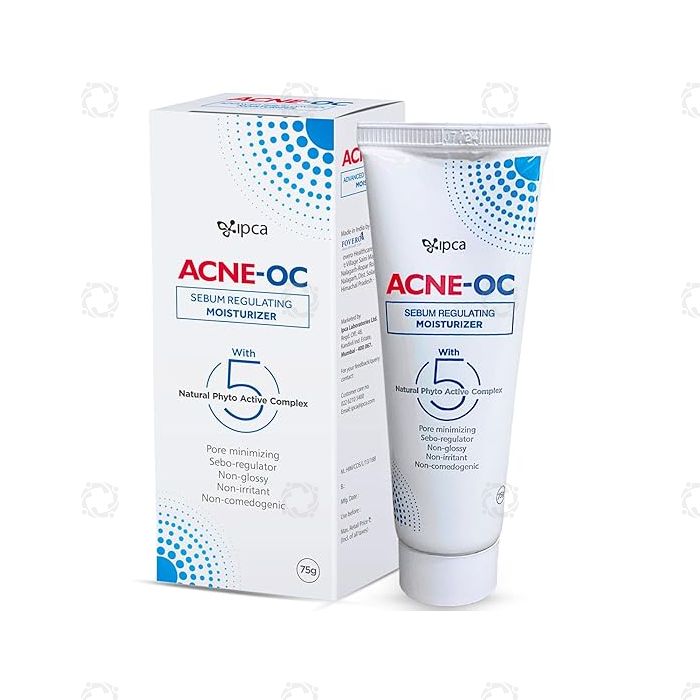
Acne - OC Moisturizer - 75g
₹531.36
(Incl. GST)
MRP :
(Incl. GST)
MRP :
In stock
Delivery within 2 to 7 Working Days
Manufacture/Marketer: IPCA Laboratories Ltd
Door Step Delivery
Quick and Secure
No Hidden Charges
Pay only what's shown
18K Pincodes Served
With Trust & Reliability
Description
Acne is a common skin condition that affects individuals of all ages, particularly adolescents and young adults. It is characterized by the presence of pimples, blackheads, whiteheads, and cysts, primarily on the face, back, and shoulders. The condition arises when hair follicles become clogged with oil and dead skin cells, leading to inflammation and infection. The primary therapeutic purpose of acne treatment is to reduce the severity of outbreaks, prevent scarring, and improve the overall appearance of the skin. Various types of treatments are available, including topical medications, oral medications, and lifestyle modifications. Topical treatments often contain active ingredients such as benzoyl peroxide, salicylic acid, or retinoids, which help to unclog pores and reduce inflammation. Oral medications may include antibiotics or hormonal treatments that target the underlying causes of acne. In addition to pharmacological interventions, proper skincare routines and lifestyle adjustments play a crucial role in managing acne effectively. Understanding the nature of acne and its triggers is essential for developing a comprehensive treatment plan tailored to individual needs. With appropriate management strategies, individuals can achieve clearer skin and enhance their self-esteem.
Product Details
Uses & Benefits
How Acne works
- Reduces sebum production in the skin, minimizing clogging of pores.
- Promotes exfoliation of dead skin cells to prevent follicle blockage.
- Exhibits antibacterial properties to combat acne-causing bacteria.
- Reduces inflammation associated with acne lesions.
- Regulates hormonal activity that may contribute to acne development.
How to use Acne
- Apply topical treatments directly to affected areas as directed by a healthcare provider.
- Oral medications should be taken as prescribed, typically once or twice daily.
- Use products consistently for optimal results; it may take several weeks to see improvement.
- Cleanse the skin gently before application to enhance absorption.
- Avoid using multiple acne products simultaneously unless advised by a healthcare professional.
- Follow specific instructions regarding sun exposure and moisturizing while using acne treatments.
Lifestyle Advice
- Maintain a consistent skincare routine tailored for acne-prone skin.
- Incorporate a balanced diet rich in fruits, vegetables, and whole grains.
- Avoid touching or picking at acne lesions to reduce irritation and scarring.
- Stay hydrated by drinking plenty of water throughout the day.
- Limit consumption of high-glycemic foods that may exacerbate acne.
- Engage in regular physical activity to promote overall skin health.
Safety Advice
Side Effects
- Common side effects may include dryness, redness, or peeling of the skin.
- Some individuals may experience mild irritation or burning sensation upon application.
- Serious side effects can include severe allergic reactions; seek immediate medical attention if swelling or difficulty breathing occurs.
- Monitor for signs of excessive dryness or irritation; adjust usage accordingly.
Precautions and Warnings
- Avoid using multiple acne treatments simultaneously without professional guidance.
- Consult a healthcare provider if you have a history of skin sensitivities or allergies.
- Alcohol consumption may exacerbate certain side effects; moderation is advised.
- Pregnant or breastfeeding individuals should discuss treatment options with their healthcare provider.
- Be cautious when driving or operating machinery if experiencing drowsiness from oral medications.
- Individuals with liver or kidney conditions should inform their healthcare provider before starting treatment.
FAQs
1. Is it safe to use acne treatments during pregnancy?
Some acne treatments may not be safe during pregnancy; consult a healthcare provider for suitable options.
2. How long does it take for acne treatments to work?
Results can vary; typically, it may take several weeks to notice significant improvement.
3. Can I use makeup while treating my acne?
Yes, but choose non-comedogenic products that won't clog pores.
4. What should I do if my acne worsens?
Consult your healthcare provider for potential adjustments to your treatment plan.
5. Are there any foods I should avoid to help manage my acne?
Limiting dairy and high-sugar foods may help some individuals manage their acne.
6. Can stress affect my acne?
Yes, stress can trigger or worsen acne in some individuals.
7. How should I store my acne medication?
Store in a cool, dry place away from direct sunlight; follow specific storage instructions on the label.
Instructions
Directions for Use
Use only as prescribed by your physician.
Storage and Disposal
Please refer to the product label for storage information.
More Information
| SKU | 174024 |
|---|---|
| Country of Manufacture | India |
| Manufacturer Address | IPCA Laboratories Ltd |
| Return/Buy Back policy | Non-returnable |
| Prescription Required | No |
| Storage | Please refer to the product label for storage information. |
| Seller | Kogland Commerce Pvt Ltd (TN) |
Acne is a common skin condition that affects individuals of all ages, particularly adolescents and young adults. It is characterized by the presence of pimples, blackheads, whiteheads, and cysts, primarily on the face, back, and shoulders. The condition arises when hair follicles become clogged with oil and dead skin cells, leading to inflammation and infection. The primary therapeutic purpose of acne treatment is to reduce the severity of outbreaks, prevent scarring, and improve the overall appearance of the skin. Various types of treatments are available, including topical medications, oral medications, and lifestyle modifications. Topical treatments often contain active ingredients such as benzoyl peroxide, salicylic acid, or retinoids, which help to unclog pores and reduce inflammation. Oral medications may include antibiotics or hormonal treatments that target the underlying causes of acne. In addition to pharmacological interventions, proper skincare routines and lifestyle adjustments play a crucial role in managing acne effectively. Understanding the nature of acne and its triggers is essential for developing a comprehensive treatment plan tailored to individual needs. With appropriate management strategies, individuals can achieve clearer skin and enhance their self-esteem.
Uses & Benefits
- Reduces the frequency and severity of acne breakouts.
- Helps prevent the formation of new acne lesions.
- Minimizes the risk of scarring associated with severe acne.
- Improves skin texture and overall appearance.
- Addresses hormonal imbalances contributing to acne in some individuals.
- Provides anti-inflammatory effects to soothe irritated skin.
- Can be used in conjunction with other skincare products for enhanced results.
- Offers options for various types of acne, including inflammatory and non-inflammatory lesions.
- Facilitates better skin health through regular use.
How Acne works
- Reduces sebum production in the skin, minimizing clogging of pores.
- Promotes exfoliation of dead skin cells to prevent follicle blockage.
- Exhibits antibacterial properties to combat acne-causing bacteria.
- Reduces inflammation associated with acne lesions.
- Regulates hormonal activity that may contribute to acne development.
How to use Acne
- Apply topical treatments directly to affected areas as directed by a healthcare provider.
- Oral medications should be taken as prescribed, typically once or twice daily.
- Use products consistently for optimal results; it may take several weeks to see improvement.
- Cleanse the skin gently before application to enhance absorption.
- Avoid using multiple acne products simultaneously unless advised by a healthcare professional.
- Follow specific instructions regarding sun exposure and moisturizing while using acne treatments.
Lifestyle Advice
- Maintain a consistent skincare routine tailored for acne-prone skin.
- Incorporate a balanced diet rich in fruits, vegetables, and whole grains.
- Avoid touching or picking at acne lesions to reduce irritation and scarring.
- Stay hydrated by drinking plenty of water throughout the day.
- Limit consumption of high-glycemic foods that may exacerbate acne.
- Engage in regular physical activity to promote overall skin health.
Side Effects
- Common side effects may include dryness, redness, or peeling of the skin.
- Some individuals may experience mild irritation or burning sensation upon application.
- Serious side effects can include severe allergic reactions; seek immediate medical attention if swelling or difficulty breathing occurs.
- Monitor for signs of excessive dryness or irritation; adjust usage accordingly.
Precautions and Warnings
- Avoid using multiple acne treatments simultaneously without professional guidance.
- Consult a healthcare provider if you have a history of skin sensitivities or allergies.
- Alcohol consumption may exacerbate certain side effects; moderation is advised.
- Pregnant or breastfeeding individuals should discuss treatment options with their healthcare provider.
- Be cautious when driving or operating machinery if experiencing drowsiness from oral medications.
- Individuals with liver or kidney conditions should inform their healthcare provider before starting treatment.
1. Is it safe to use acne treatments during pregnancy?
Some acne treatments may not be safe during pregnancy; consult a healthcare provider for suitable options.
2. How long does it take for acne treatments to work?
Results can vary; typically, it may take several weeks to notice significant improvement.
3. Can I use makeup while treating my acne?
Yes, but choose non-comedogenic products that won't clog pores.
4. What should I do if my acne worsens?
Consult your healthcare provider for potential adjustments to your treatment plan.
5. Are there any foods I should avoid to help manage my acne?
Limiting dairy and high-sugar foods may help some individuals manage their acne.
6. Can stress affect my acne?
Yes, stress can trigger or worsen acne in some individuals.
7. How should I store my acne medication?
Store in a cool, dry place away from direct sunlight; follow specific storage instructions on the label.
Some acne treatments may not be safe during pregnancy; consult a healthcare provider for suitable options.
2. How long does it take for acne treatments to work?
Results can vary; typically, it may take several weeks to notice significant improvement.
3. Can I use makeup while treating my acne?
Yes, but choose non-comedogenic products that won't clog pores.
4. What should I do if my acne worsens?
Consult your healthcare provider for potential adjustments to your treatment plan.
5. Are there any foods I should avoid to help manage my acne?
Limiting dairy and high-sugar foods may help some individuals manage their acne.
6. Can stress affect my acne?
Yes, stress can trigger or worsen acne in some individuals.
7. How should I store my acne medication?
Store in a cool, dry place away from direct sunlight; follow specific storage instructions on the label.
Directions for Use
Use only as prescribed by your physician.
Storage and Disposal
Please refer to the product label for storage information.
| SKU | 174024 |
|---|---|
| Country of Manufacture | India |
| Manufacturer Address | IPCA Laboratories Ltd |
| Return/Buy Back policy | Non-returnable |
| Prescription Required | No |
| Storage | Please refer to the product label for storage information. |
| Seller | Kogland Commerce Pvt Ltd (TN) |
Customer Reviews
No reviews yet
Be the first to share your thoughts. Honest feedback helps other shoppers and us serve you better.
Write Your Own Review
Only registered users can write reviews. Please Sign in or create an account